This trip will be written in episodes. This is Episode 1
The families will be presented in the taxonomy of 1988 and then related to current taxonomy.
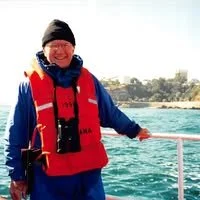
In the summer of 1988, my son Sean and I travelled to Australia to support a Kangaroo banding project in Western New South Wales. The project was supported by Earthwatch, an organization sponsoring support for biological research projects. The support comes from volunteers who provide labor to the project, pay their own way, and contribute financial support to the project as well. The extensive program is found here. The principal investigator for the research project was Dr. David Benjamin Croft of the University of New South Wales. The reason my son chose this project was because he wanted to tackle a kangaroo. More on that later.
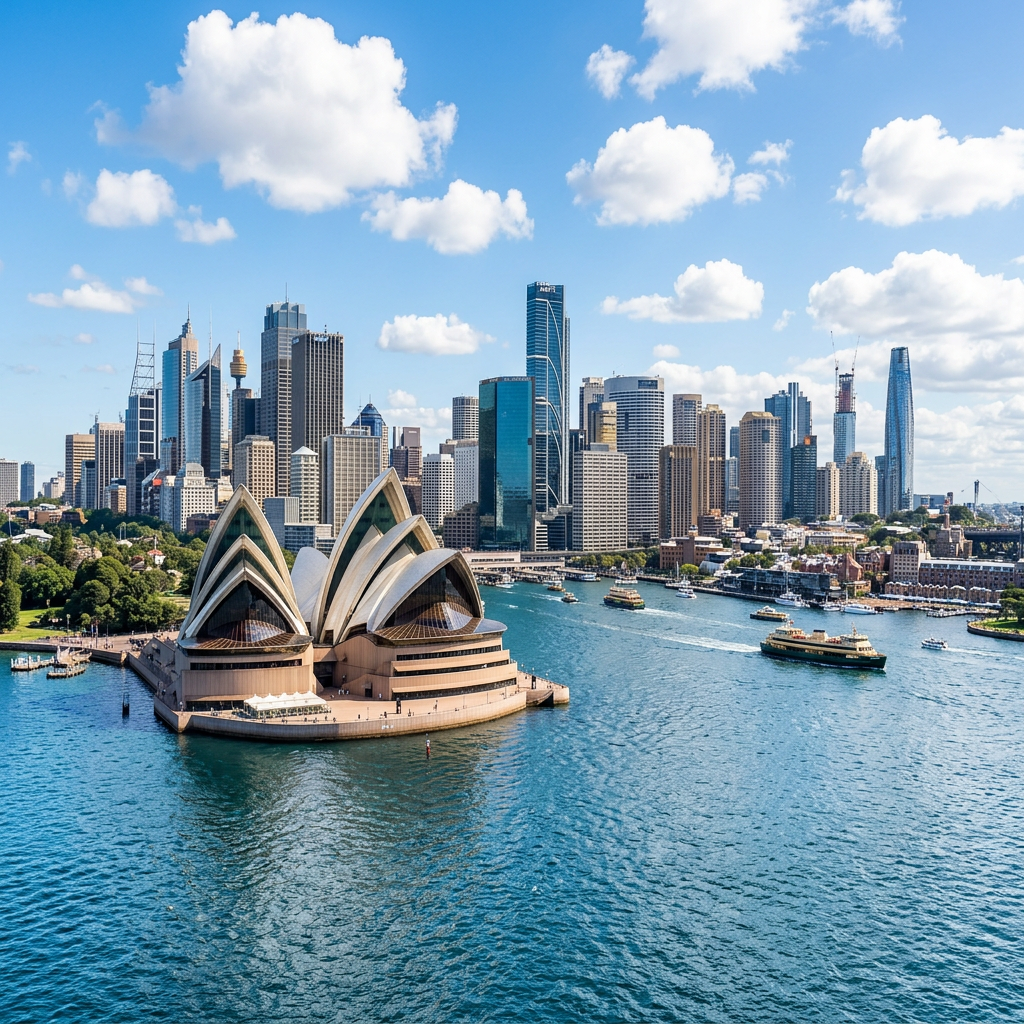
Our flight took us into Sydney where we spent 4 days decompressing before heading into the outback. We booked a hotel close to Bondi Beach for our stay. I think it was the Hotel Bondi.
Sydney Botanical Gardens
On June 25, we went to the Sydney Botanical Gardens.
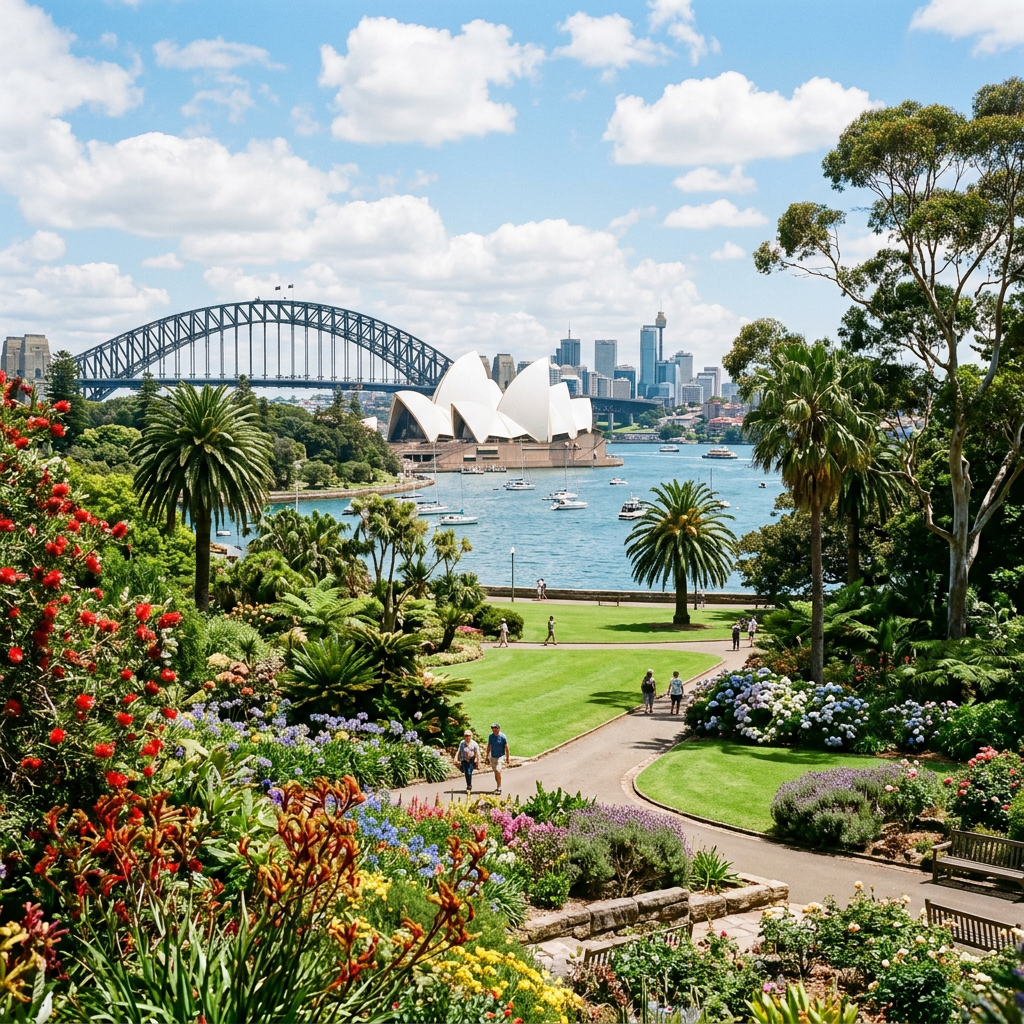
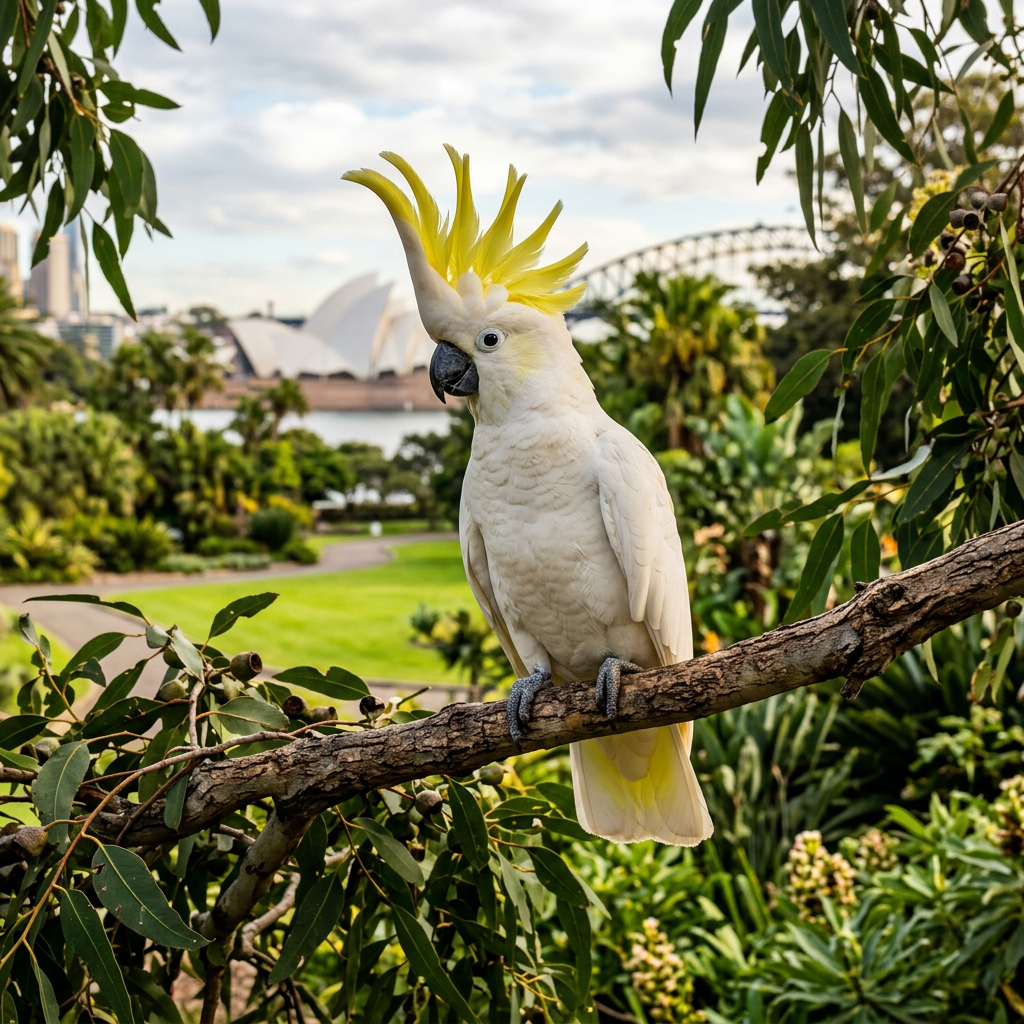
We immediately came across the Sulphur-crested Cockatoo (Cacatua galerita) my first member of the Cockatoos (Cacatuidae) family. Wow
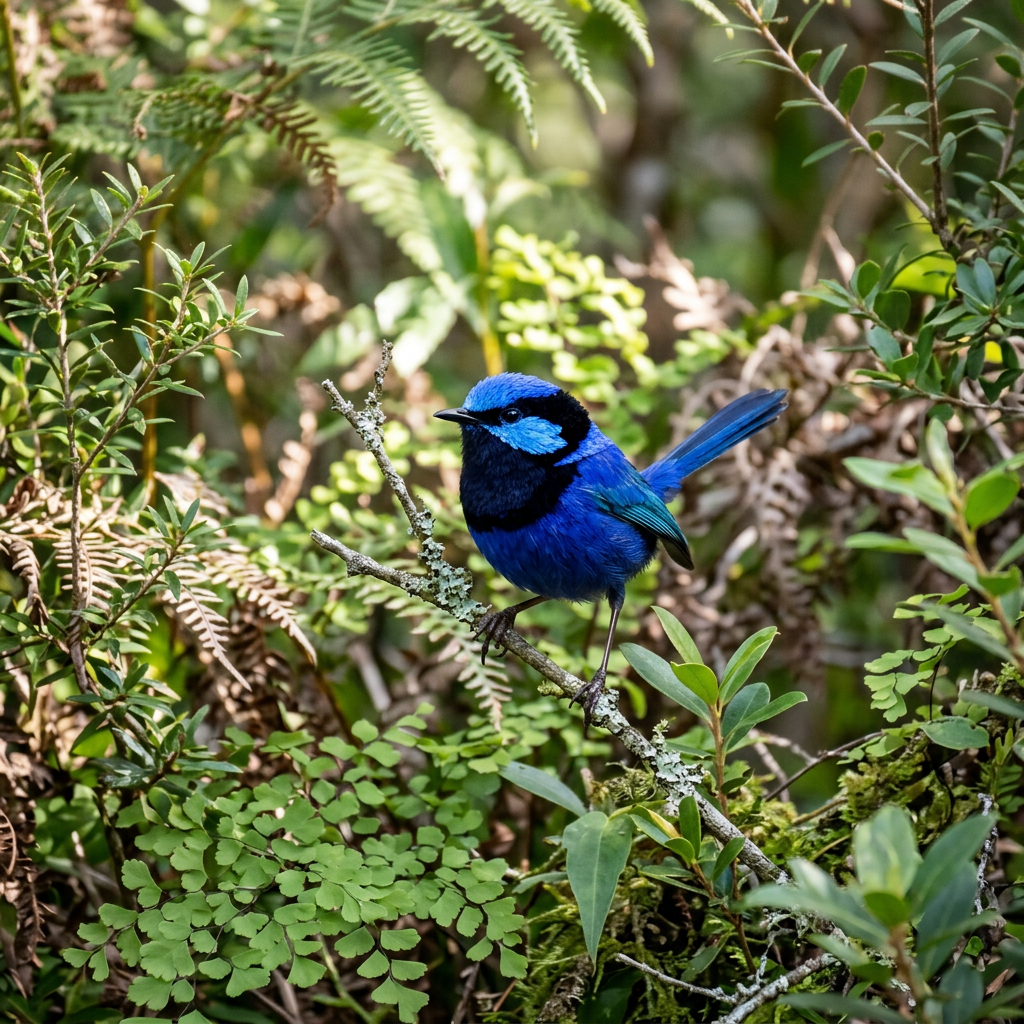
Down in the undergrowth we spied a Superb Fairywren(Malurus cyaneus) of the Australasian Wrens (Maluridae) family. Really flashy.
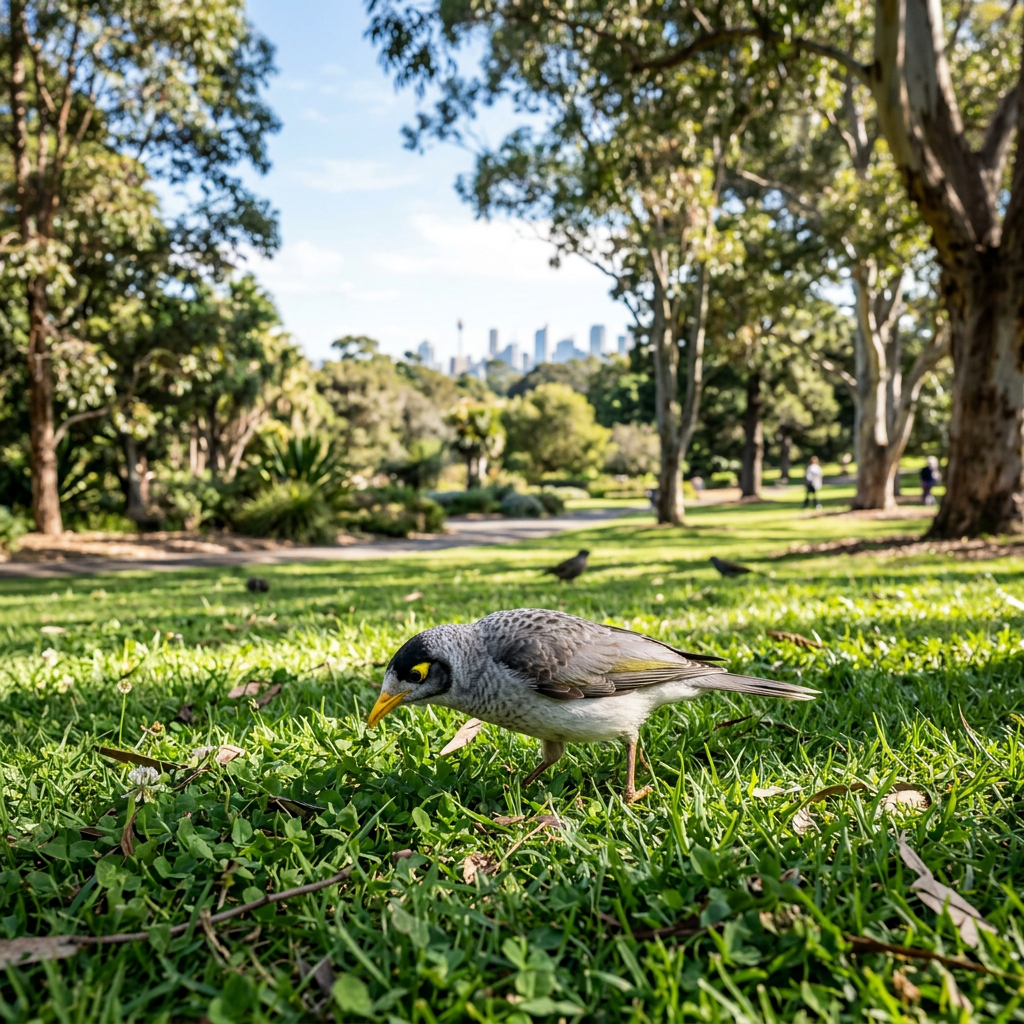
Of course, so much was new, half a world away from home. Next came the Noisy Miner(Manorina melanocephala) of the Honeyeater (Meliphagidae) family. Really different from home. And definitely noisy.
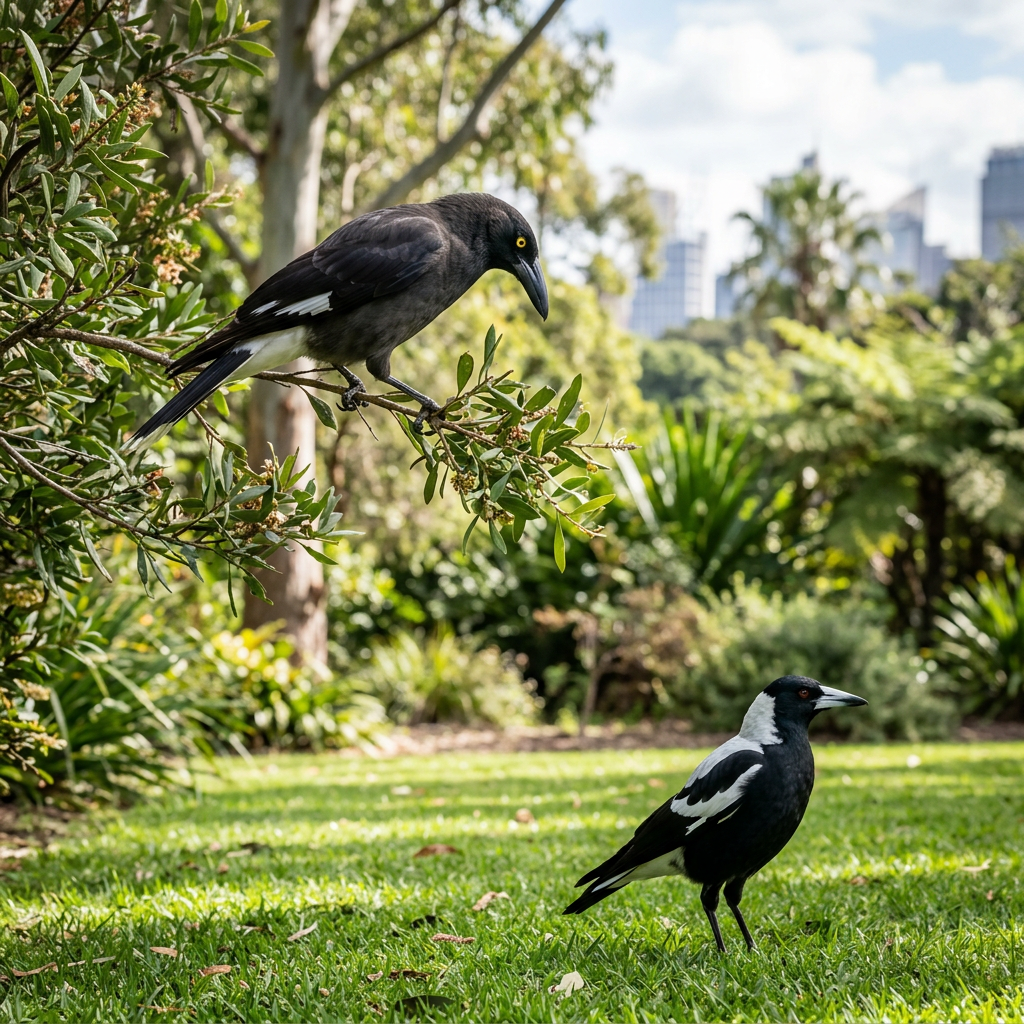
As we walked around, we came upon an Australasian Magpie(Gymnorhina tibicen) on the ground and in a nearby tree a Pied Currawong(Strepera graculina). Both these birds belonged to the same Bellmagpies & Allies (Cracticidae) family. That whole family has since been merged with the Woodswallows (Artamidae) family.
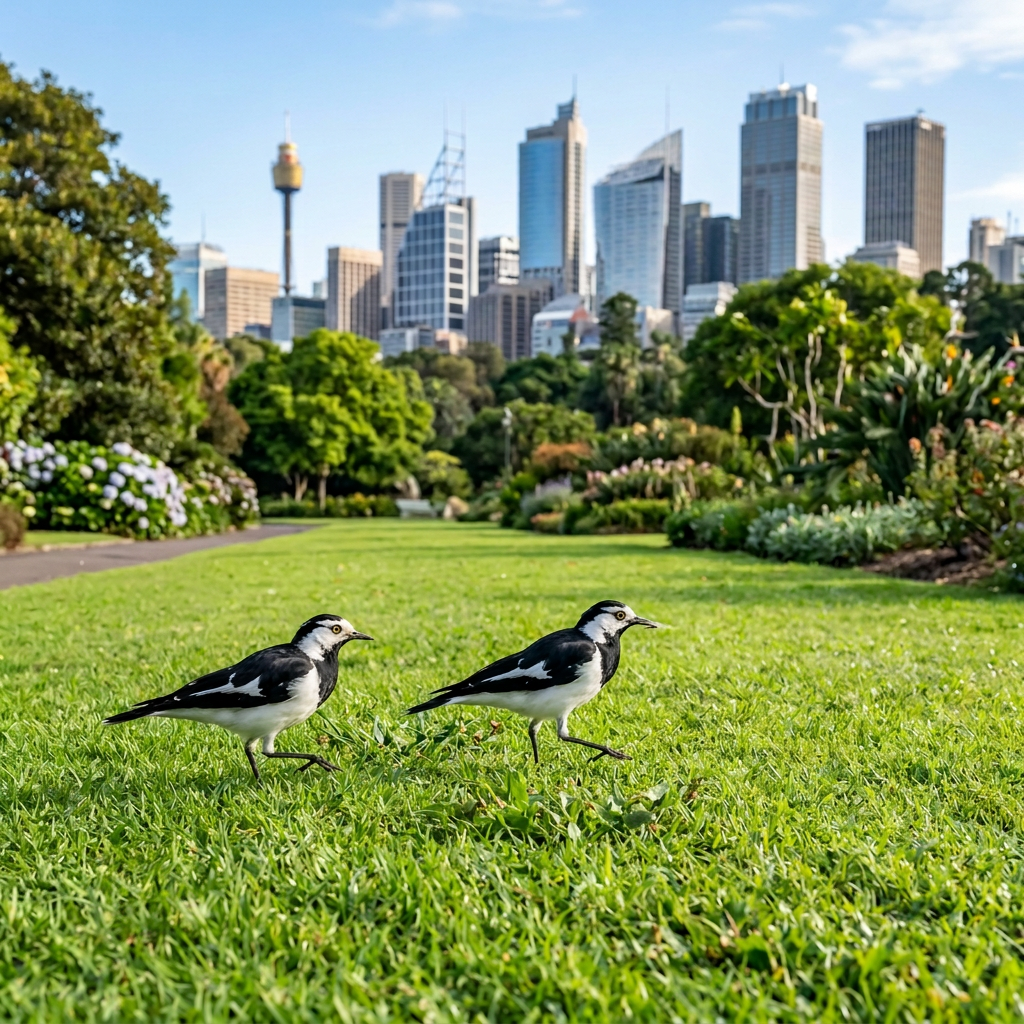
It seemed like everywhere we turned we came upon Magpie-Lark(Grallina cyanoleuca) of the Magpie-Lark (Grallinidae) family. This family has subsequently been moved to the Monarch(Monarchidae) family.
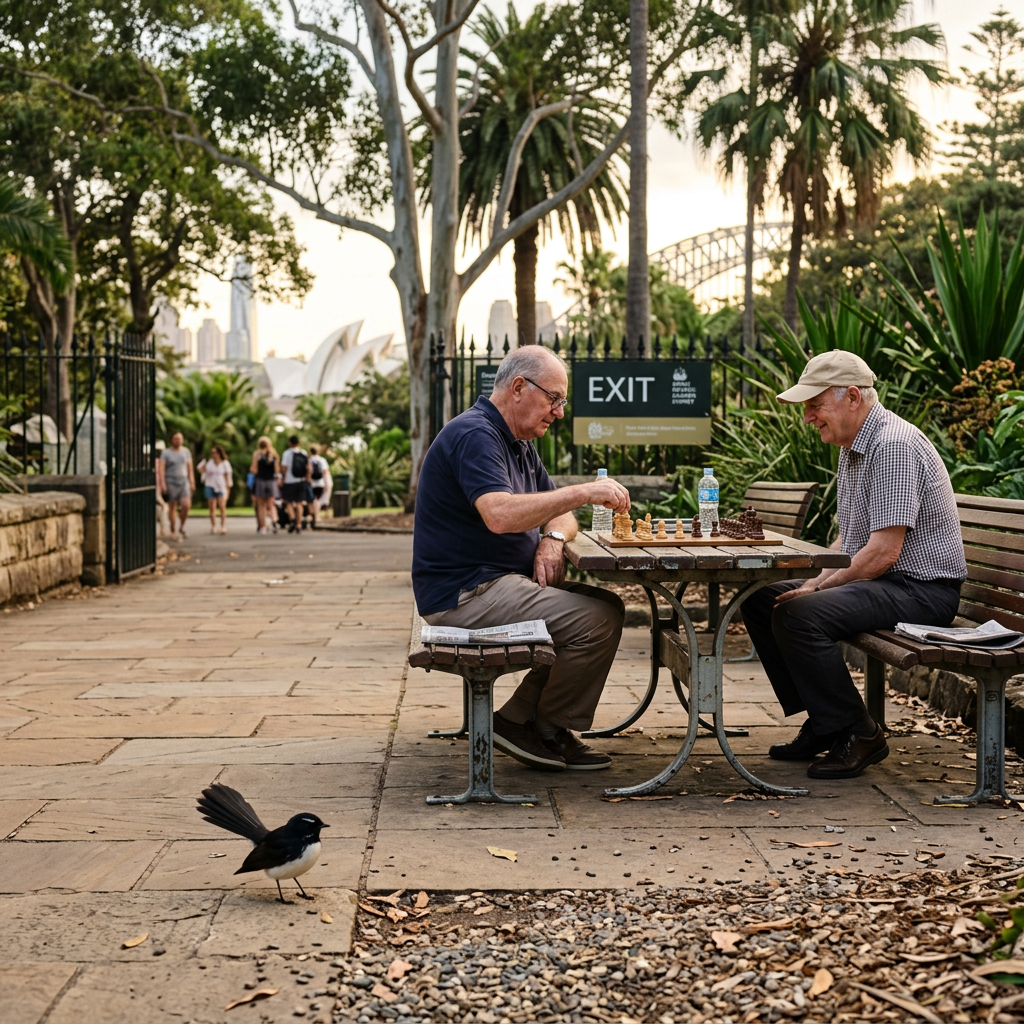
As we were leaving the park, we saw two men playing chess at a small table. Close by, on the sidewalk was a Willie Wagtail (Rhipidura leucophrys) of the Fantails (Rhipiduridae) family. And wagging its tail it was.
Taronga Zoo-Sydney
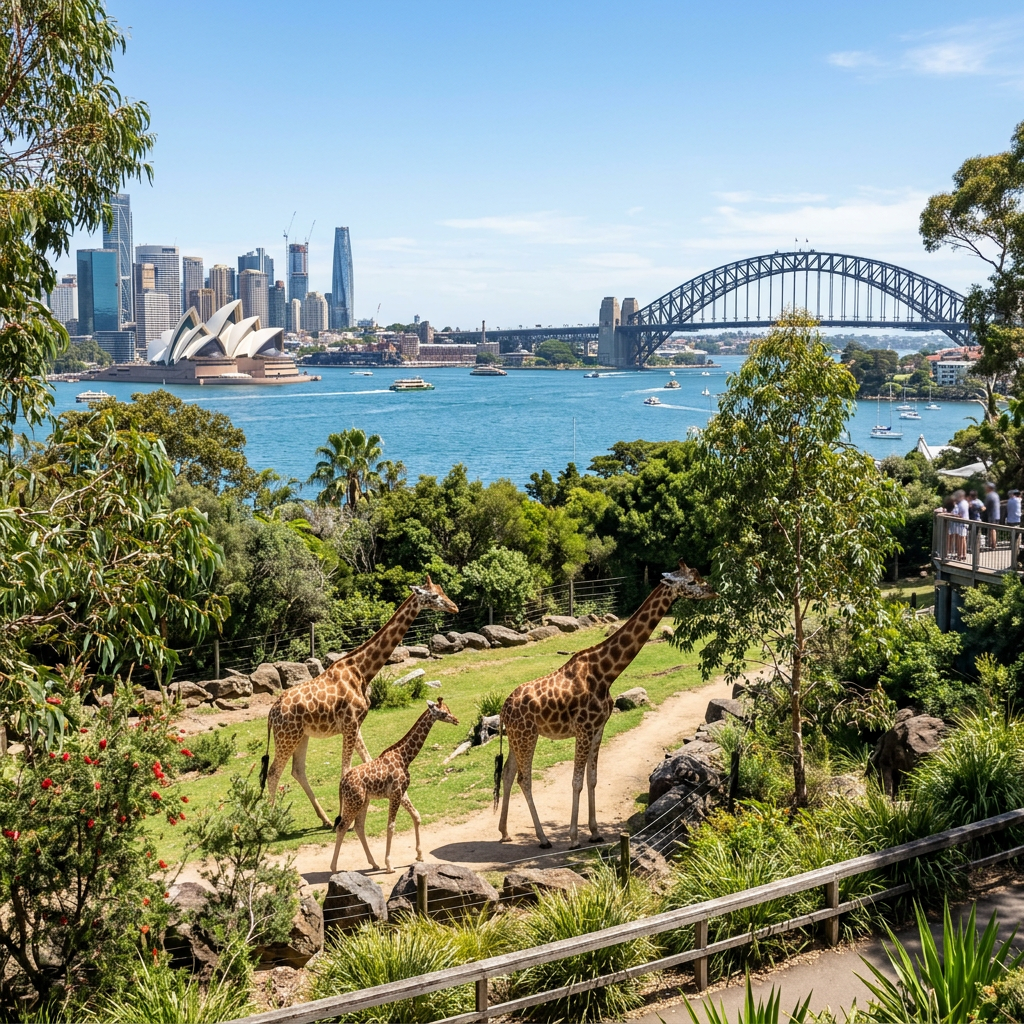
The next day, June 26, we started the day at the Taronga Zoo.
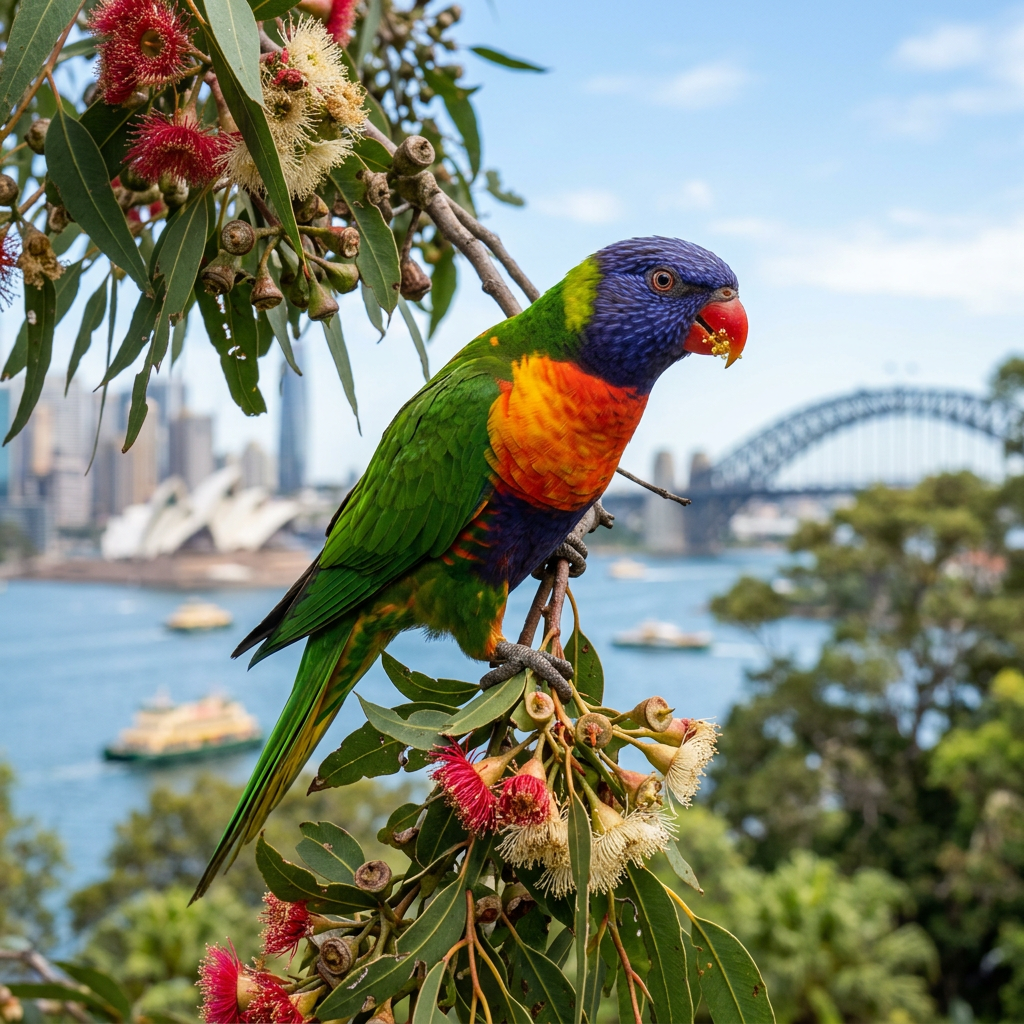
There, we immediately came across the wonderful Rainbow Lorikeet (Trichoglossus moluccanus) of the then world-wide Parrot (Psittacidae) family. Talk about flashy. That family was split and that bird now belongs to the Old-World Parrot (Psittaculidae) family.
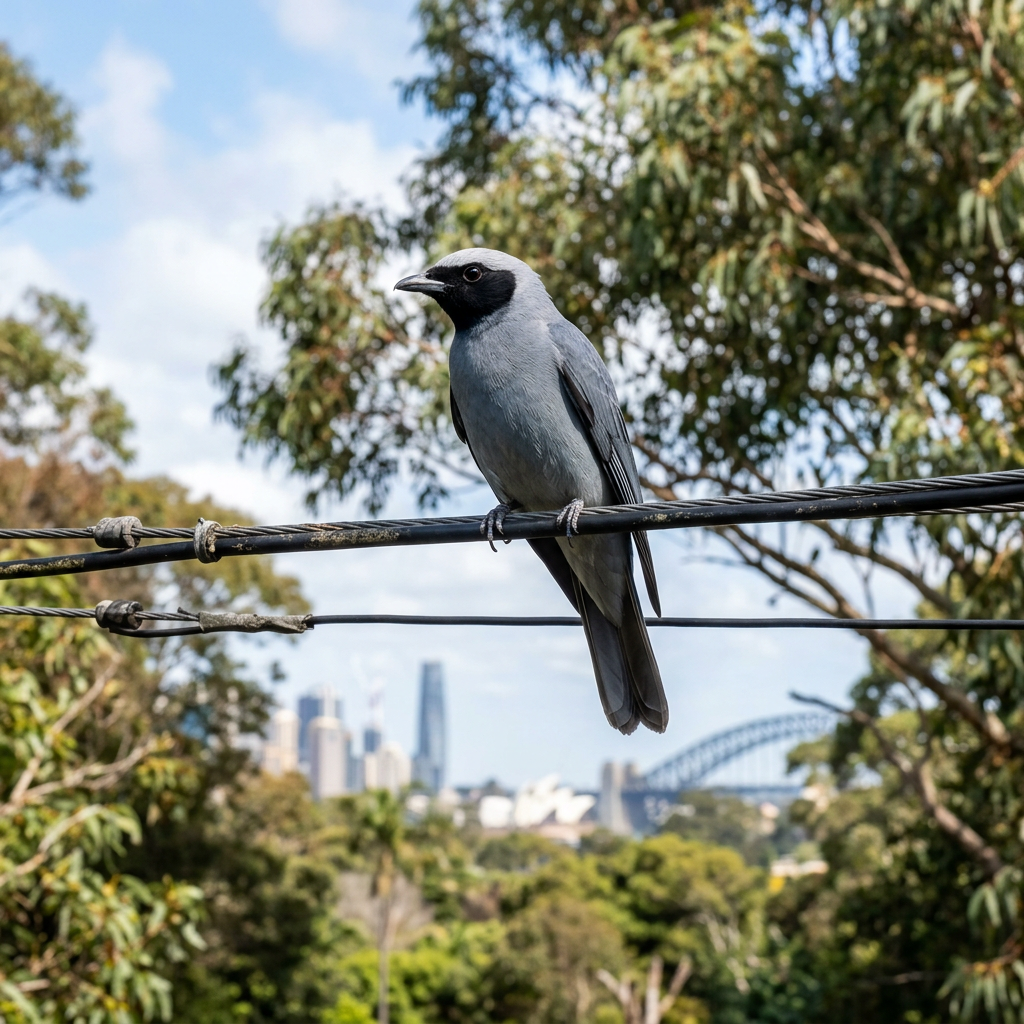
Sitting on a power line we also saw a Black-faced Cuckooshrike (Coracina novaehollandiae) of the Cuckooshrike (Campephagidae) family. Not so spiffy, but definitely different.
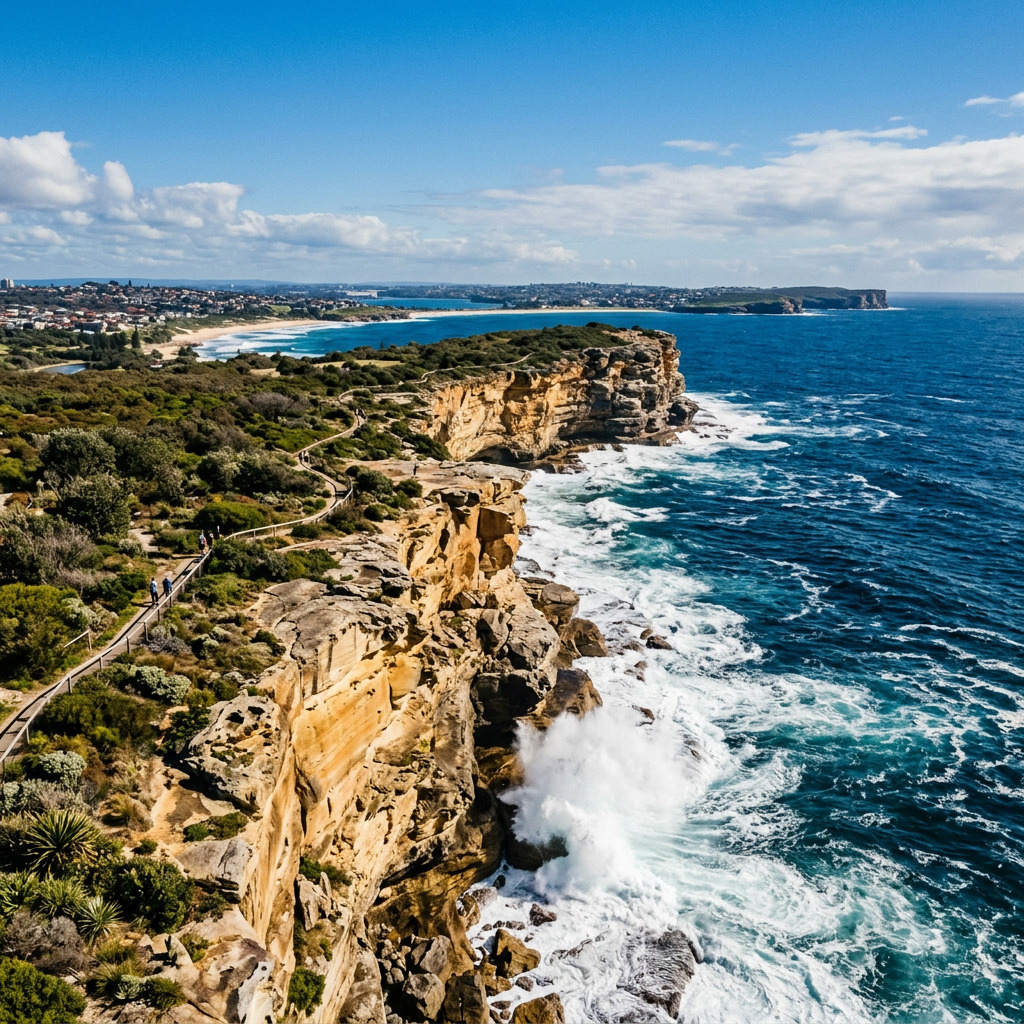
From there we went to the Malabar Cliffs.
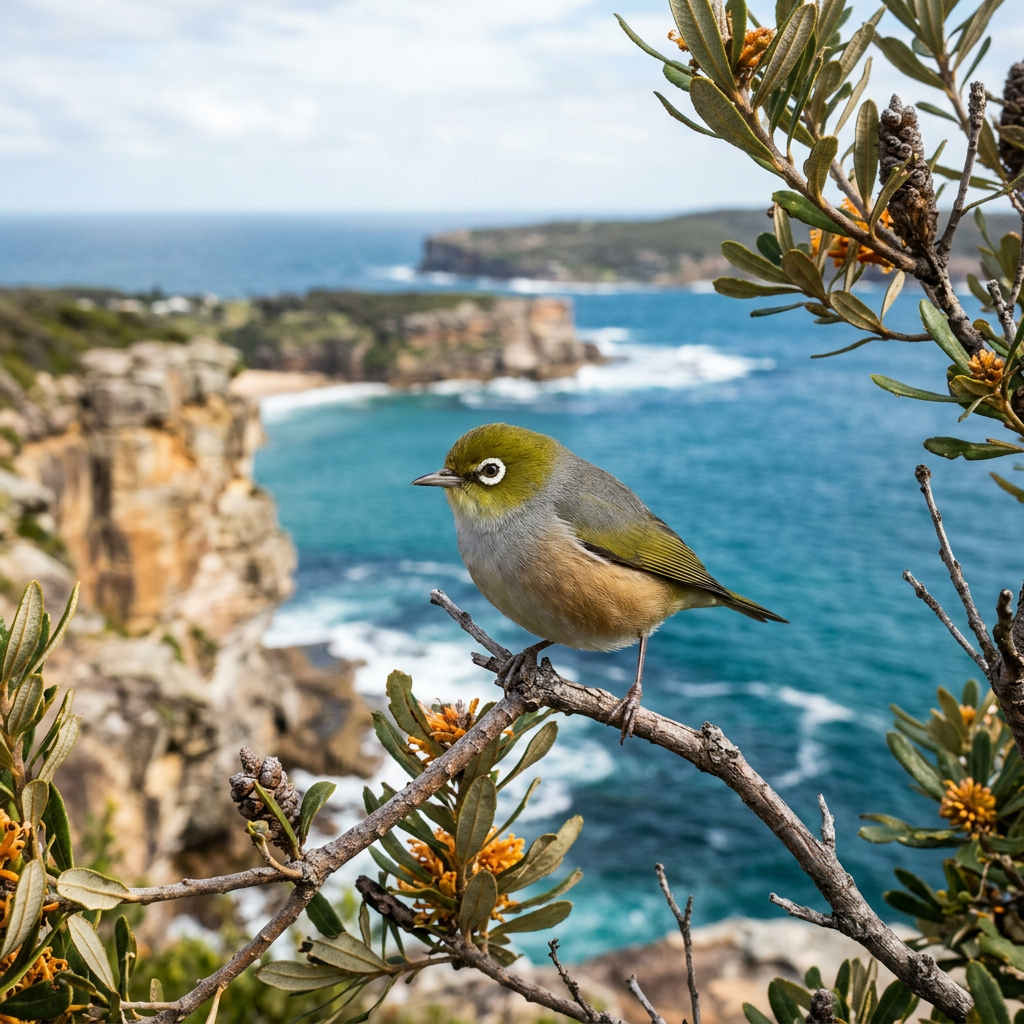
In the trees there we saw the Silvereye (Zosterops lateralis) of the White-eyes (Zosteropidae) family.
Royal National Park
The following day, June 27 we spent the day at Royal NP just south of Sydney.
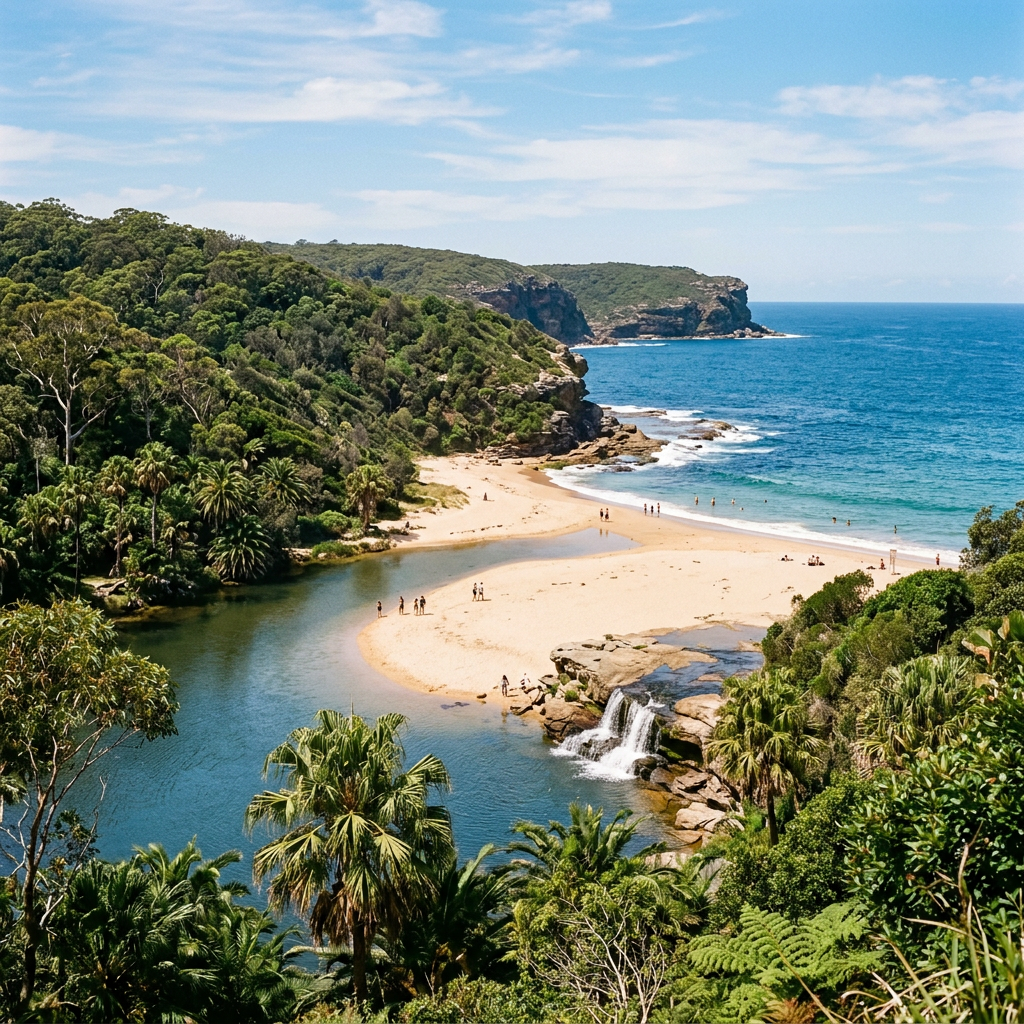
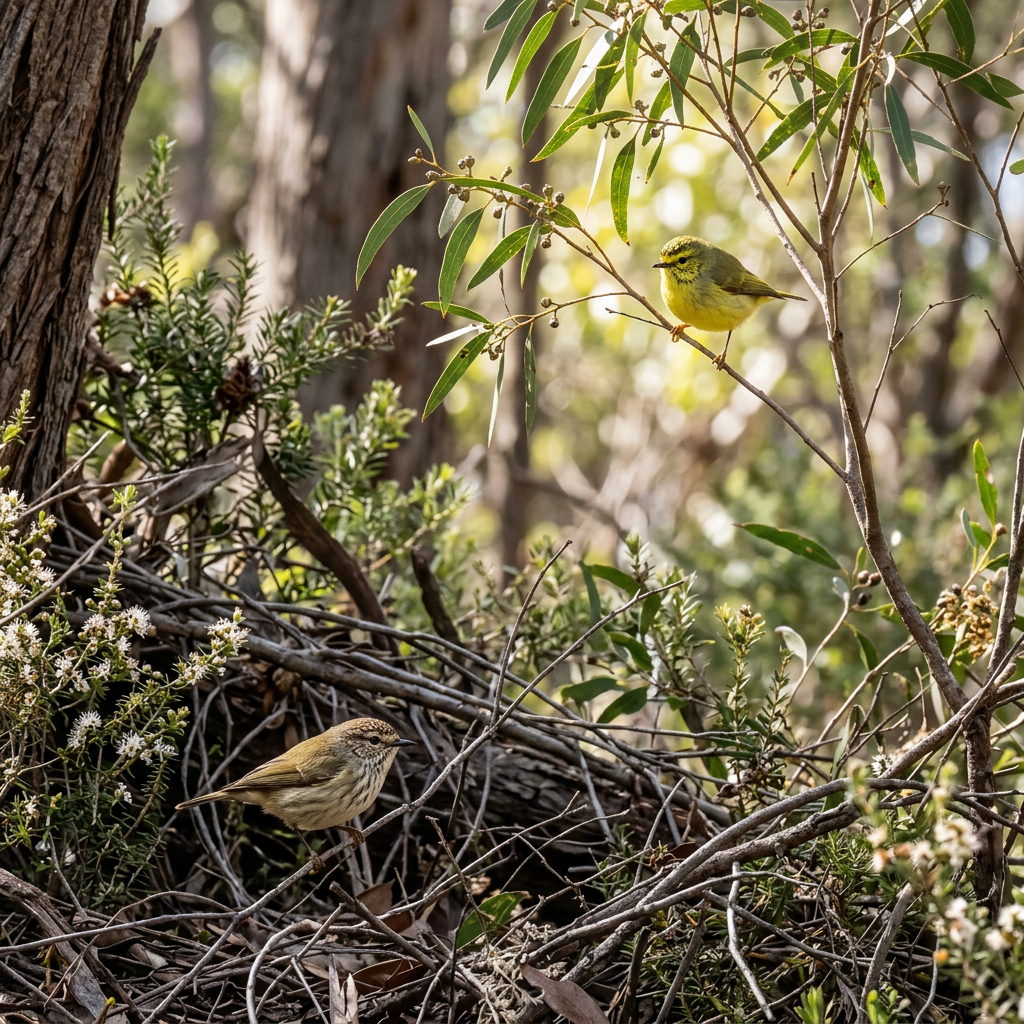
As we walked around near the beach, we saw two birds, the Brown Thornbill (Acanthiza pusilla) and the Yellow Thornbill (Acanthiza nana) of the Australasian Warbler (Acanthizidae) Family. No so spectacular but very nice.
Ku-ring-gai Chase National Park
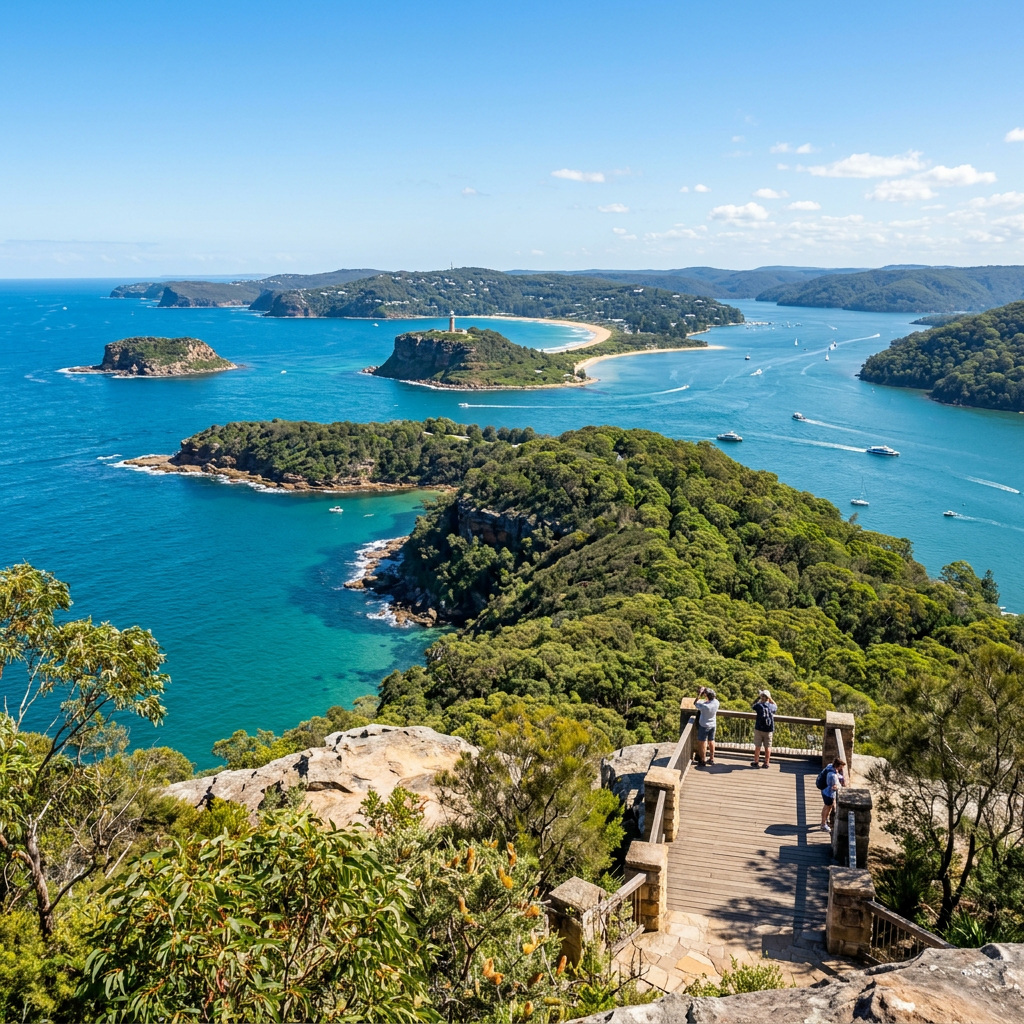
We spent the day of June 28 north of Sydney along the coast at Ku-Ring-Gae Chase NP. No new families but plenty of birds on this day.
Wrap-Up
During our time in Sydney, we saw 10 new families of birds. I also saw 44 different species of birds, 36 of which were birds that I had never seen before.
Our time in Sydney was now over. The next day was spent in transit to the research station at Fowler’s Gap. First a flight to Broken Hill, and then a van pickup and 100-mile drive to Fowler’s Gap.
The second episode will cover our time at Fowler’s Gap