From Boy Scout to International Birder
If you want to bypass my story to the resources i have used, just jump to the Appendix


A. Context Note
I have not been doing international birding for the past ten years. In 2016, I had to cancel a planned trip to Guyana because of financial difficulties. What followed was a long stretch of medical issues, then Covid, then more medical issues, then family issues, and finally a relocation. We ended up canceling trips five years in a row.
Except for a short business trip to Iceland in early 2020, just before the pandemic, all my birding during this period has been local. All of my international stories and travel accounts are more than ten years old. We hope to break this cycle with a two‑month trip to the Canary Islands this winter.
B. Birds in Childhood
From early childhood I fell in love with the out-of-doors and the activities that can occur in the out-of-doors. My father led me on that journey. Read the about Brian page on this website for further details.
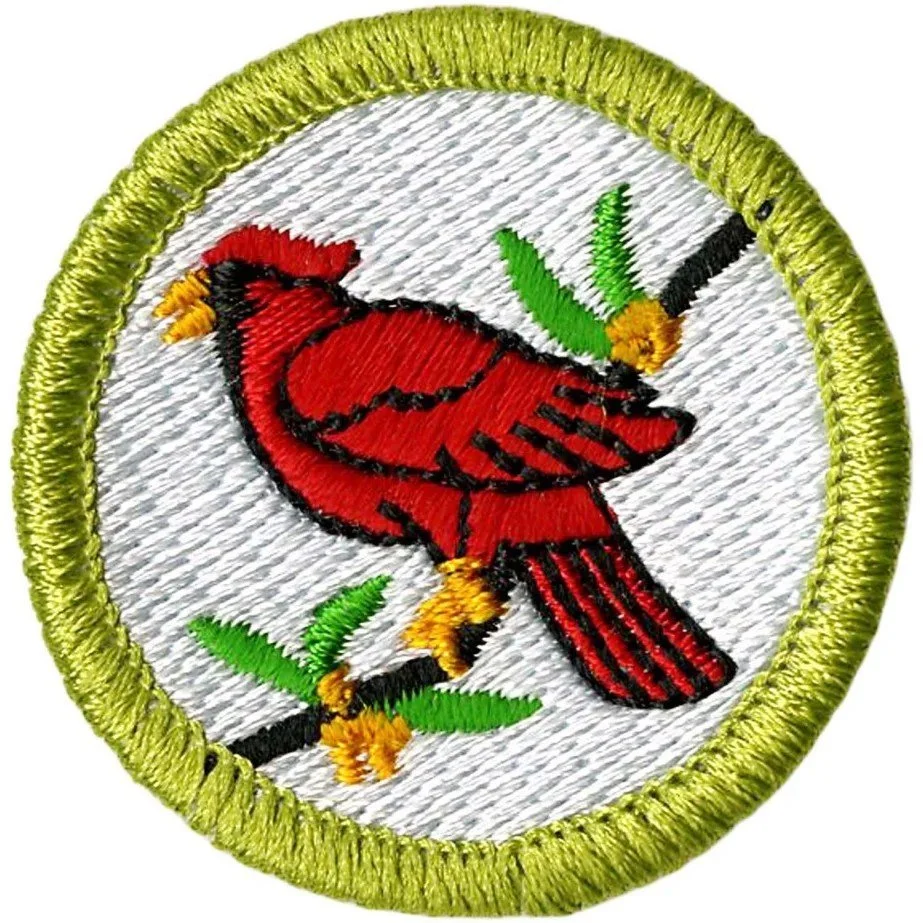
My interest in birds began in the early 1950s as a Boy Scout. As a part of my journey to become a life scout I earned the merit badge called Bird study. To earn that badge, I was put in a room with a copy of Audubon's book Birds of America at one end of the room and me with binoculars at the other end of the room. My mentor pointed at one of the drawings and asked me what bird that was. I passed.
Then life happened I went off to college got my degrees got to work and no birds.
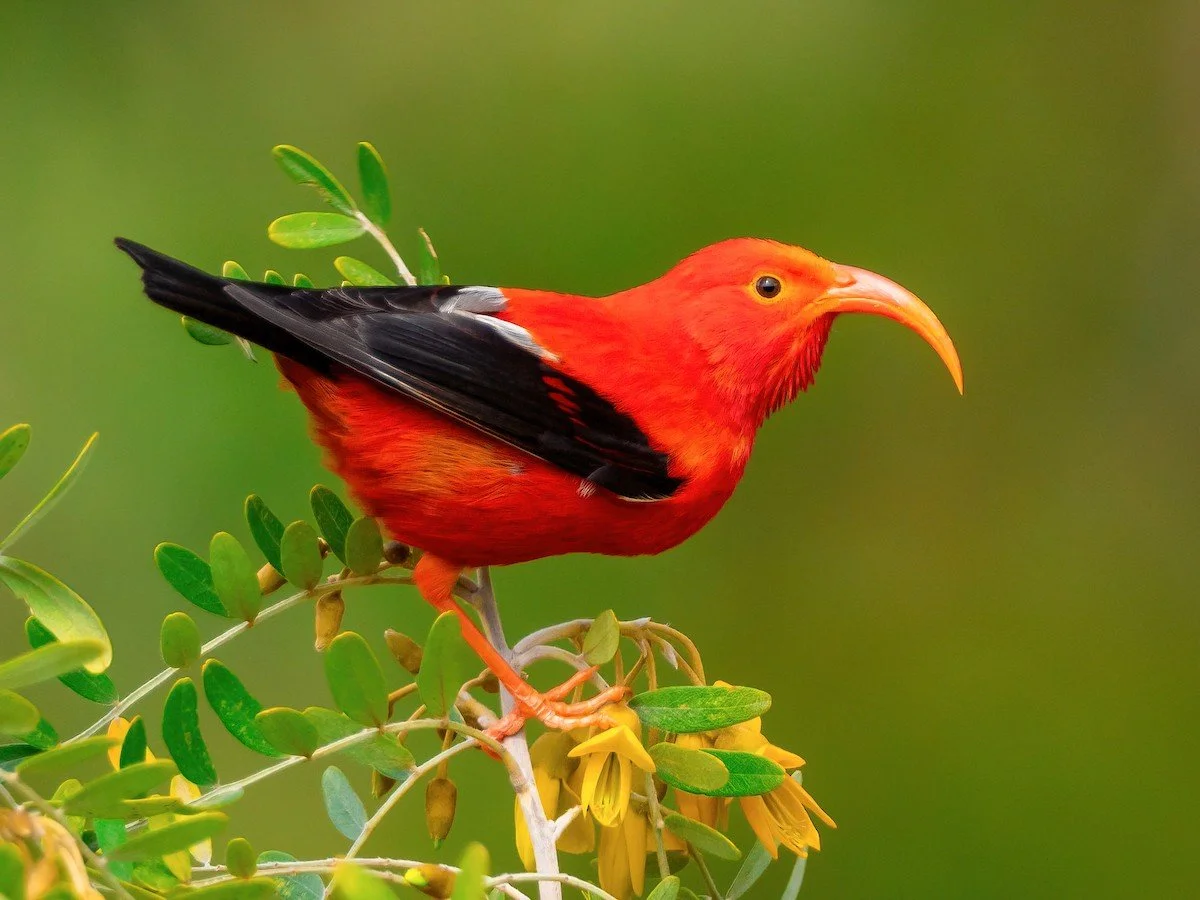
In 1984 after a midlife crisis that led me to question the professional path I was on I traveled to Hawaii with my then wife as part of a Natural History Tour led by the then company called Questers. Part of the tour involved bird watching of the unique avifauna of Hawaii. The boy scout in me was reawakened to my love of birds. The activity included a trip to the Bishop Natural History Museum in Honolulu where I was introduced to the concept of biogeography. All this took me back to my Boy Scout days and my love of the outer doors.
I picked up bird guides and binoculars put them in my briefcase and began to bird everywhere in the United States that my business took me. I was traveling almost every two weeks at the time. And I began keeping records of the birds I saw in the United States.
C. How I Began Birding Again

D. My Early Birding Resources and Communities
On returning from Hawaii, I immediately joined the National Audubon Society and began receiving their monthly publication. Up until recently, during all this time, I lived in Reston, VA, a Washington , DC suburb. My Audubon membership directed me to the local chapter named the Audubon Naturalist Society located in Bethesda, MD, another DC suburb.
They had a fabulous bookstore that carried not only books, but trip reports as well. They also ran local bird outings, had lectures, and offered courses. I took full advantage of all this as I began to learn what I was doing.
Then, in early December of 1985, I was doing a bit of birding in Key West Florida, I met a fellow birder (whose name I no longer remember) who directed me to the American Birding Association (ABA) that was specifically meant for serious birders.
I immediately joined and got access to their extensive publications. In particular, they maintained a list of the birds that could be seen on a state-by-state basis, as well as the USA. Its members were very interested in rarities. I am pretty sure they maintained a rare bird hotline, although a number of state organizations did this as well.
I was enthralled with the wealth of information.
E. How I Began Birding Internationally (Australia)
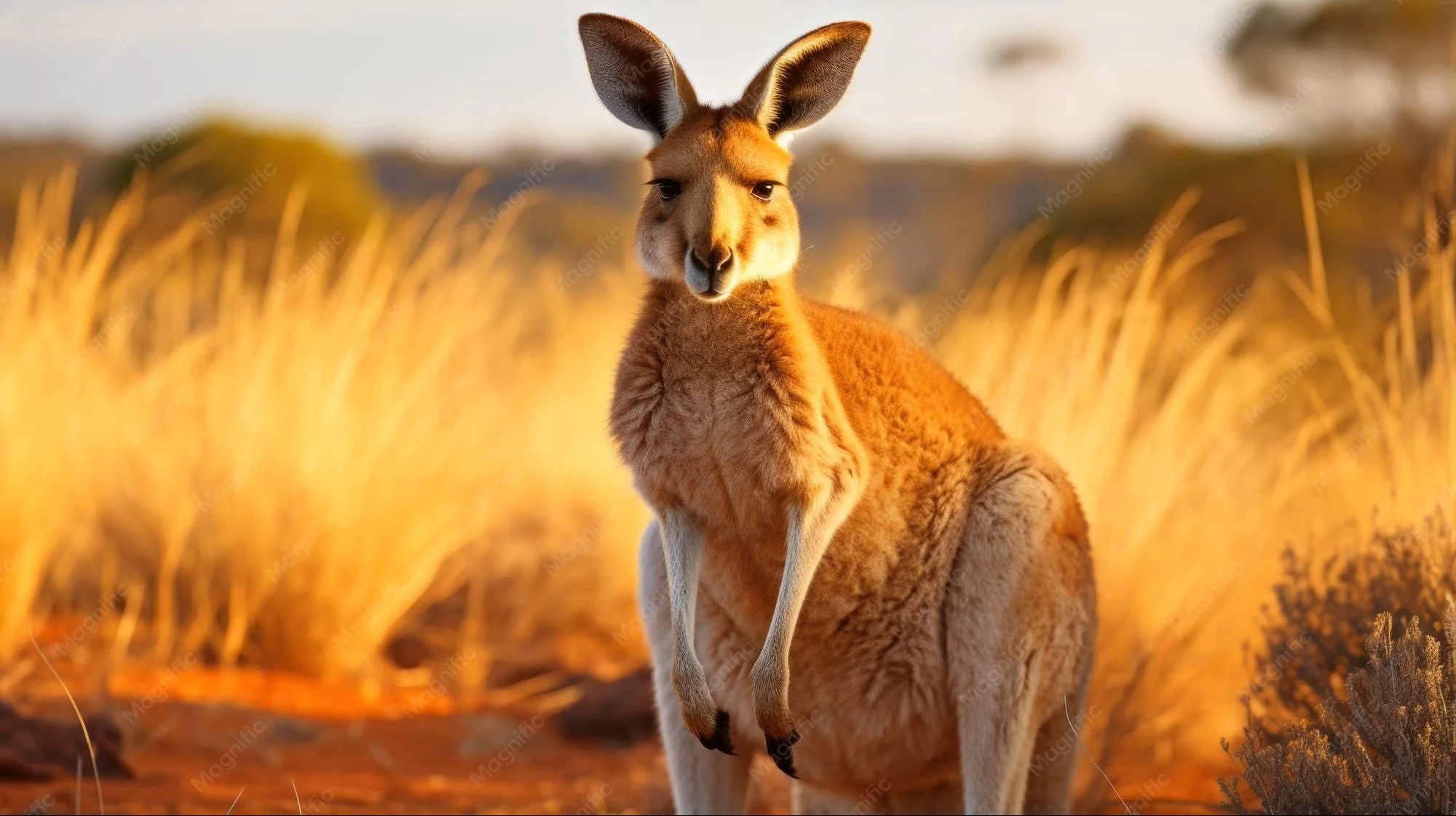
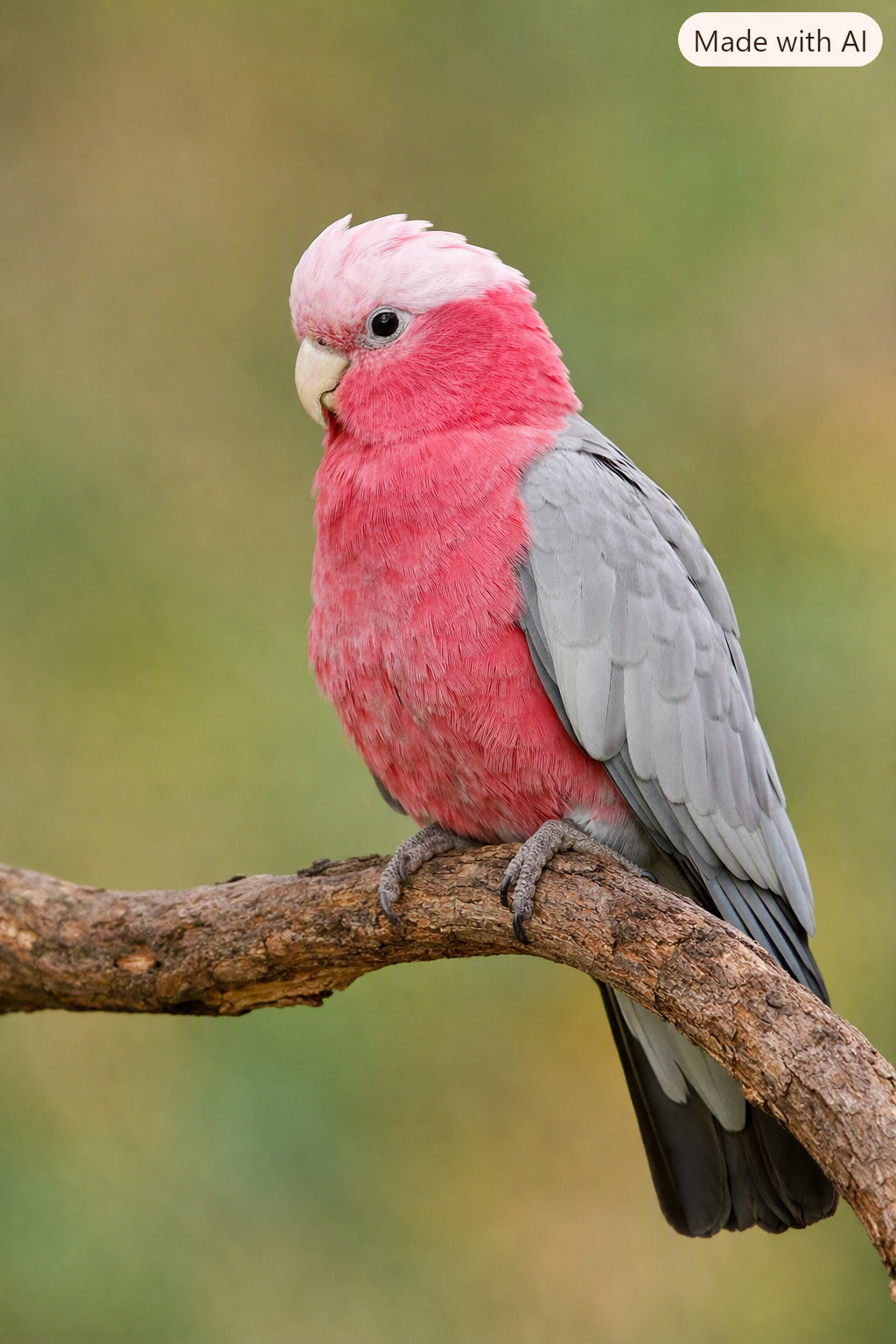
Then then in 1988 my 16-year-old son and I traveled to New South Wales Australia to support a Kangaroo banding project in the Australian Outback. My son chose this project, but I saw it as an opportunity to do some birding as well. During our month-long visit too many parts of eastern Australia I was able to bird for the first time in the international domain. My eyes were open the wonders of avian diversity which appear when you bird in a different part of the world.
You can read a bit about this on our sister website -Adventuring with Ian & Brian. The title is “Adventuring in Eastern Outback Australia”.
That experience plus my later reading of Peter Kaestner’s statement that he had seen at least one member of all the families in the world. I was hooked. I wanted to see that wondrous diversity myself. And I started immediately to arrange birding in other countries in the Western Hemisphere. I never thought about anything but doing it myself.

F. Independent Birding: My Primary Mode
Over the Christmas vacation in 1989 my family and I went to Cozumel Island and Cancu in Mexico, and I went birding there and on the Yucatan as well as sneaking into Belize for one day. This was just me with binoculars and a bird guidebook.
In 1990 I traveled to Venezuela by myself because I was able to find a bird guide and some bird site information. I traveled around most of the country and camped in many remote locations. I also birded in Puerto Rico on my way home from Venezuela.
The next year (1991) I spent several weeks in Costa Rica by myself thrilled by the diversity in such a small area. That fall as part of a family vacation I was also able to bird in Portugal and Spain. Up to this point my choice of locations was primarily driven by the availability of bird guidebooks and birding hotspot information for the respective regions.
By 1992 I was fully caught up with the idea of seeing all the bird families, so my wife and I went to the Asa Wright Center in Trinidad. It is run by the National Audubon Society. I chose to go there because there was an oilbird cave on site. That same year, I did an extensive trip to Argentina, chosen because I could see penguins there without going to Antarctica.
In 1993-94, I birded in Costa Rica again, the Dominican Republic, Panama, and then the Bahamas. The next year my international birding took on a new dimension.
In the fall of 1993, a man named G.M. (“Mike”) Flieg — an avid independent birder himself — put out a request in Winging It, the newsletter published by the American Birding Association. He asked whether any independent birders might be interested in banding together to create travel opportunities that would be significantly less expensive than commercial tour companies, and more focused on specific birds.
He received over 200 replies, mine included, and the organization that came to be known as Ornifolks was born.
The idea was simple: those of us who planned and executed trips on our own would ask others if they wanted to join and share expenses. No one made a profit. The goal was to use local guides and local budget facilities, and to build trips around the birds we most wanted to see. The idea took off immediately.
I had read Darwin’s Origin of Species early in my scientific career, and it shaped my worldview. His trip to the Galápagos Islands was famously influential in his thinking, and the group of birds that came to be known as Darwin’s finches fascinated me. I wanted to go to the Galápagos, but I didn’t think I could pull that off by myself.
Lo and behold, Ornifolks was running a trip there in the spring of 1994. I signed up immediately. One of the members also arranged birding on the mainland of Ecuador with a local guide, and I joined that as well. I loved every minute of it. I was a convert. I learned that you can arrange to use local guides — either by yourself or with a group — and I was all in.
After that, I traveled with Ornifolks to Peru, Brazil, Ethiopia ,and Madagascar. I formed friendly working relationships with many of the other participants, which often gave me access to information about other locales. My birding horizons broadened.
Sadly, Mike passed away in July 2012, and the organization slowly withered away.
Thank you, Mike.
G. Ornifolks
G. Local Guides and Specialized Regional Operators
Along with my Ornifolks experiences, I continued to bird independently in many locations. But my horizons opened when I realized that I could hire local guides almost anywhere in the world and dramatically enhance my birding experience.
In the New World, I used local guides in Guatemala, Honduras, Chile, St. Lucia, and other Caribbean destinations. In Africa, I worked with guides in Uganda and South Africa. In Asia, I found excellent local help in the United Arab Emirates, India, Singapore, Taiwan, and Korea.
In some countries, however, arranging local guides was difficult. In those places, I turned to specialized regional operators — individuals or small organizations who focused on a single country or region and knew it intimately. Examples I used include:
Northeast India — Peter Lobo
New Guinea — Ian Burrows
Tibet/China — Jesper Hornskov (through the Oriental Bird Club)
Sulawesi — BirdTourAsia
Bolivia & Paraguay-Eustace Barnes
I will provide details and contact information for all of these as I post the individual trip accounts. The birding world is filled with gifted, dedicated individuals, and I was fortunate to learn from many of them.
H. Commercial Tour Companies
I have only a limited experience with the well-know bird tour companies. I have nothing but praise for both my limited experience with them and also with all the first-rate information that make available through their trip reports and trip itineraries.
I used Rockjumper Birding Tours for my trip to the Philippines in 2007 and Birding Africa for my return trip to the Cameroons in 2014. David Shackelford and Tim Fisher were the guides in the Philippines and Michael Mills was the leader in the Cameroons. All three were not only spectacularly competent with the birds, but also engaging personalities. Hats off these companies and leaders.
Tools & Resources Overview
A Note Before We Begin I’m not an expert birder or a technical authority — just another bozo on the bus, as some circles say. I’m here to tell you stories about my birding life, not to tell you how you should bird.
I have created an Appendix below that provides some information about the Tools & Resources that I have used. I am overwhelmed with gratitude for all the talented and dedicated individuals and organizations who have made those possible.
In this section, I provide a simple short guidance to what is discussed in the Appendix. Reading all of the Appendix will take time, but it can be quick to scroll to the topic you want to learn about.
The first lengthy section is about Taxonomy.
It starts with a subsection on my spiritual journey titled Why Taxonomy Matters to Me.
The next subsection describes the taxonomy of James Clements that underlies all the birding information in the Western Hemisphere. It is titled The Global Taxonomy System I Rely On.
It then acknowledges the European equivalent published by the International Ornithological Congress (IOC).That subsection is titled IOC World Bird List.
This is followed by a subsection titled Why IOC Matters to International Birders
The next subsection entitled eBird discusses this fabulous website that I and hordes of others use to upload our sighting data. It uses the same Clements taxonomy. There is a brief discussion of Birder’s Diary here as well.
The next subsection entitled Birds of the World discusses the online child of the former 18 Volumes of Handbook of the Birds of the World that is managed by Cornell and also uses Clements taxonomy.
The final subsection is entitled Phylogeny: Understanding How Bird Families Evolved.
The second, shorter and final section is titled- Global Birding Tools.
It begins with a subsection on eBird as a source of information about where and when specific birds are being seen
Next it discusses Merlin Bird ID, the phone app for identifying birds both by sight and song.
The website Xeno-Canto that is the online source for recorded and downloadable bird songs is next.
Mapping Tools are discussed next, including the hotspot maps provided by eBird.
Birding Apps & Listing Software is discussed next including the app.
The final short subsection is entitled World Bird Lists & Reference Databases.
Appendix
Section 1-Taxonomy Foundations
Why Taxonomy Matters to Me

Taxonomy in biology is the scientific study of naming, describing, and classifying organisms into hierarchical groups based on shared characteristics and evolutionary relationships.
I am a scientist by training and profession. I am interested in taxonomy because it provides insight into the relationships between all life forms. The spirit of the universe (some call it God, some call it Yahweh, some call it Allah , some call it Buddha, Some call it Vishnu) expresses itself to me through the process of evolution and the unity of all creation. Scientists are working constantly to understand the exact relationships between life forms and specifically various species of birds. Today DNA analysis is at the center of this process, a long way from the original Linnaeus classification based solely on physical characteristics.
Just as I appreciate almost every member of the human species whenever I meet someone new, I get the same sense of the wonder of life and the new face of the Sprit of the Universe when I see a new bird. And for me, this is most exemplified by the differences that come when moving from one family to another. Because of the specifics of evolution, this is manifested by different families being in different parts of the world, along with the specific different species that live there.
For me, this is looking at the most different faces of the Spirit of the Universe and gives me great joy.
Below, I describe the taxonomy systems I rely on, along with others that global birders may prefer.
The Global Taxonomy System I Rely On
Taxonomy is not a single universal system. Different scientific organizations maintain their own global bird lists, each with its own update cycle, naming conventions, and decisions about species limits. As a global birder, I have learned to navigate these systems because they shape how birds are grouped, how families are defined, and how my own family count is determined.
The systems below are the ones I have used throughout my journey. They are the backbone of modern ornithology and the reference points for birders around the world.
Clements Birds of the World: A Checklist
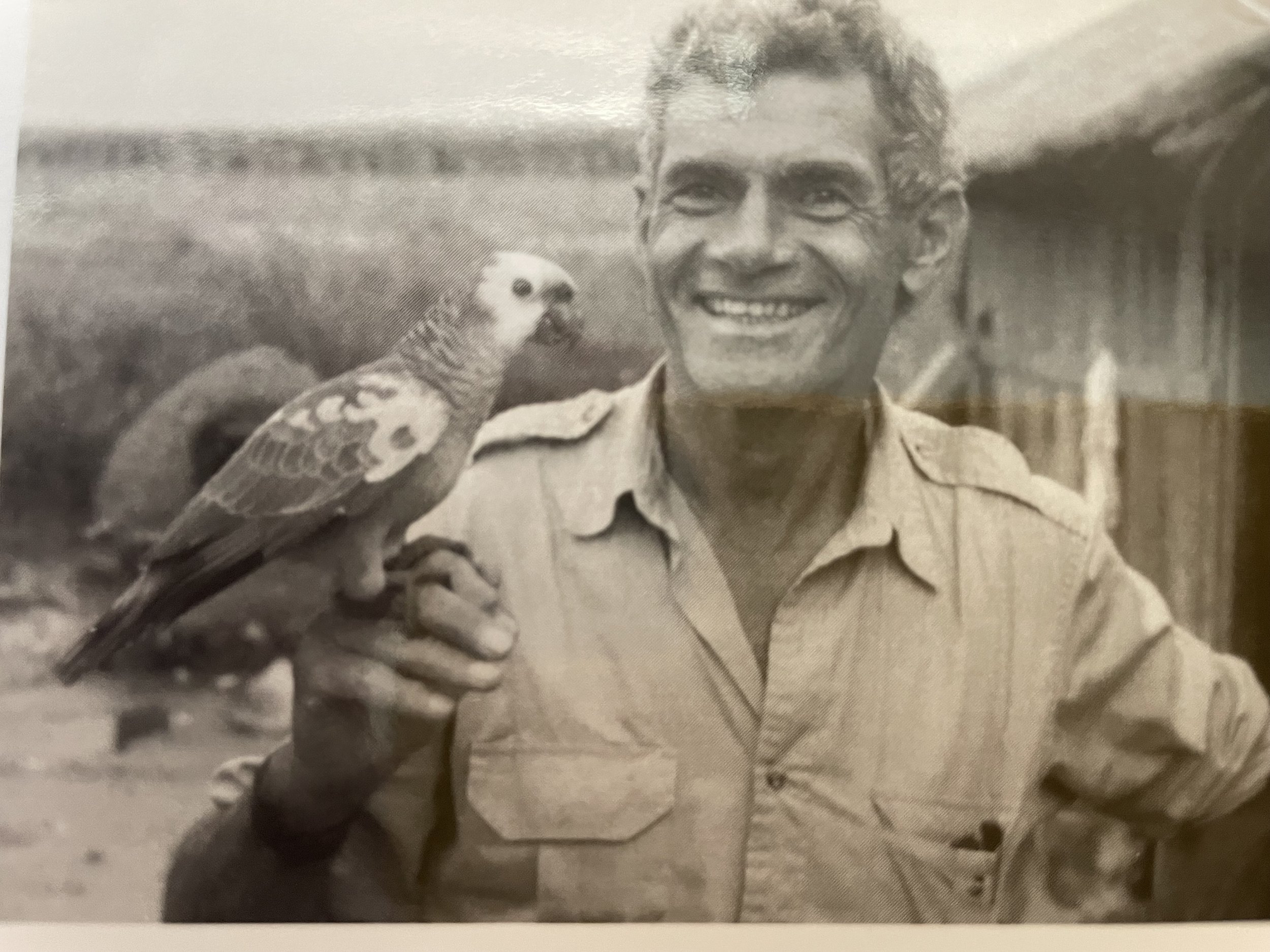
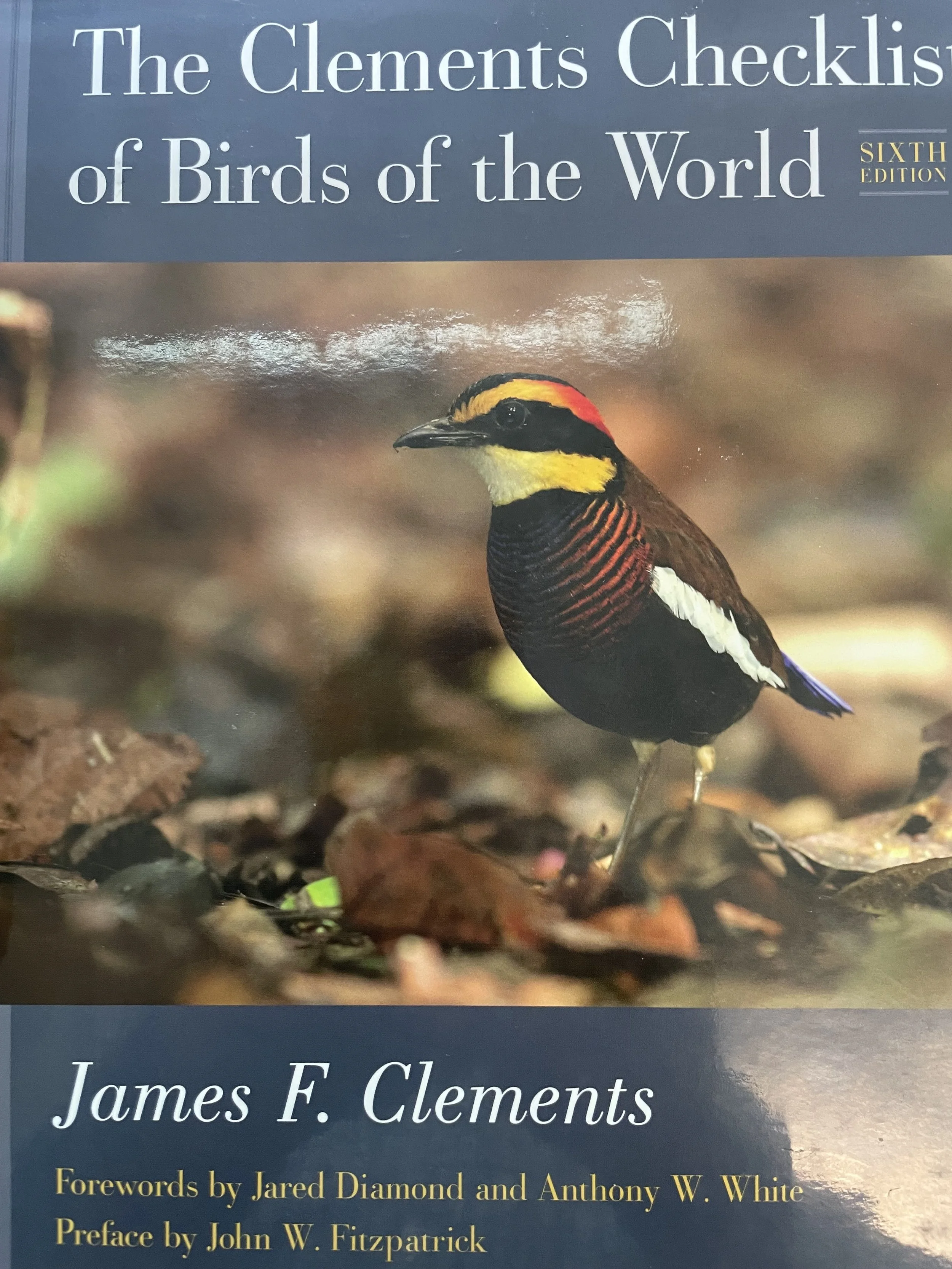
James Clement’s 1st edition of the birds of the world a checklist was published in 1974 subsequently he published five more additions with the last being published in 2007 by Cornell University after his death. It was a fantastic lifetime project for this trained ornithologist bringing together the research of many many scientists into a coherent checklist that could be used by birders.
In 1986 when Peter Keastner made his announcement of seeing all the families in the world I believe he used the 3rd edition of Clements it was published in 1981. I have a hard copy of that edition and there seems to be 180 families listed. As you can see with the current world list of 250 families lots and lots of research as ensued.
When I went to Australia in 1988 with my son, the field guide I used was “A Field Guide to the Birds of Australia” by Graham Prizzey. I no longer have access to that volume, so I am not sure of the precise taxonomy that it used. But I remember enough to know that I was seeing many birds vastly different than in North America, and many families that only occurred in Australia (or the Austro-Papuan region).
With the world birding itch, I started with a trip to Mexico and Belize over New Year's 1989, Venezuela in 1990 and Trinidad & Tobago in 1992. I acquired a copy of the 4th edition of Clements published in 1991 and began recording my sightings there.
I have used the Clements taxonomy ever since, migrated to the sixth edition when it was published in 2007. Since then, Cornell University Ornithologists have taken over the Clements legacy and publish yearly updates, along with downloadable spreadsheets. You can find that source here-Clements-Home
There are now 250 non-extinct families in that taxonomy and that is what most North American birders follow. In addition, in 2002 a collaboration between Cornell and the National Audubon Society brought the Website eBird into being where birders are invited to enter their sightings. This is now a monumentally huge database. That website uses the Cornell version of Clements. You can get to that site here-eBird Home. Finally, the international website Avibase has also adapted Cornell version of Clements. Avibase is a source of downloadable checklists for every conceivable location on earth. You may those resources here-Avibase Home.
IOC World Bird List
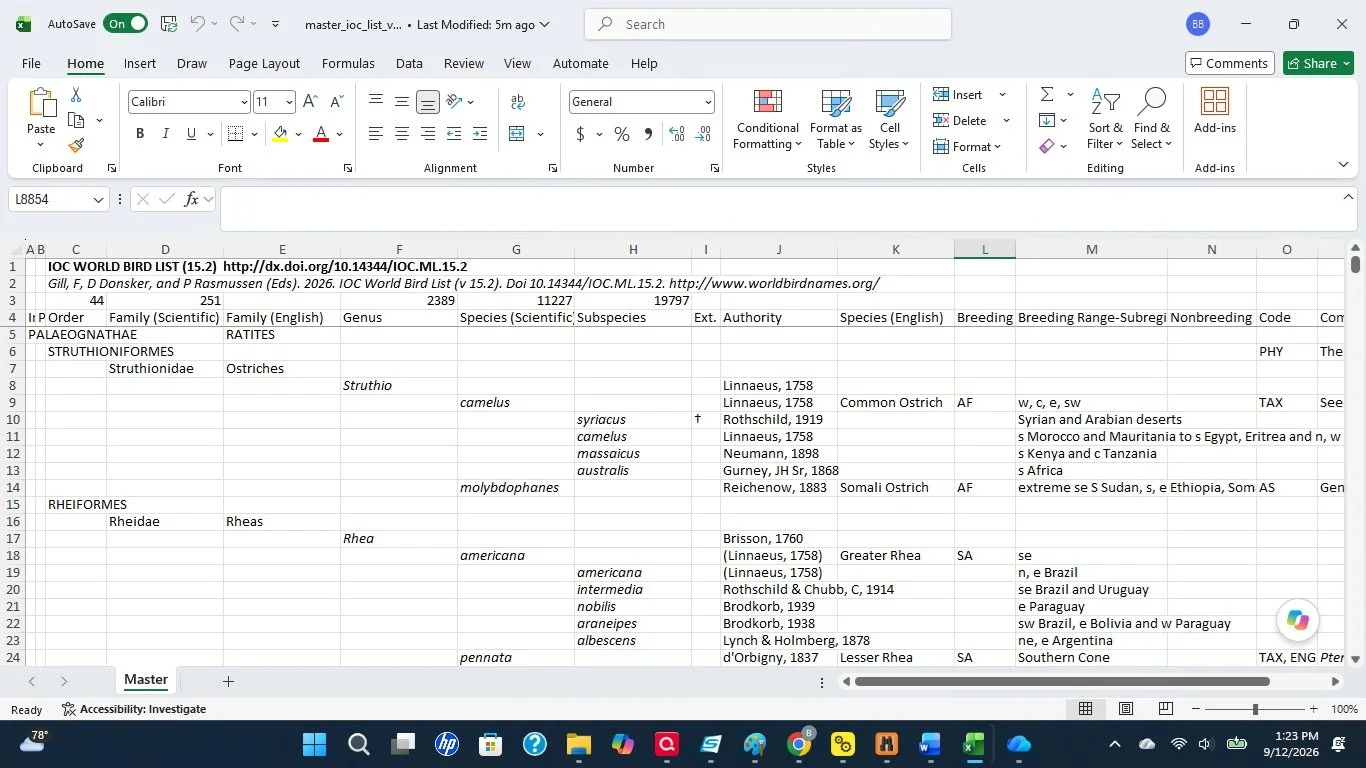
The International Ornithological Congress (IOC) maintains an independent list of the birds of the world. The IOC is headquartered in The Hague in the Netherlands, and its taxonomy represents the collective work of many Old World ornithologists. Their list differs slightly from the Clements checklist, especially when it comes to splitting species into two or more independent species. These differences are not about right or wrong — they simply reflect different scientific judgments and traditions.
The equivalent North American institution is the American Ornithological Union (AOU), and it follows the Clements taxonomy. Because of this, most North American birders, including me, use Clements as our primary reference.
Why IOC Matters to International Birders
Many bird tour companies, regional field guides in the Old World, local bird guides, and international trip reports rely on the IOC taxonomy. If you bird in Africa, Asia, Europe, or Australia, you will often encounter IOC names, IOC species splits, and IOC family arrangements.
I personally respect the fact that when you get down to the details of how much genetic difference is required to separate one species from another — or one family from another — scientific differences of opinion will exist. That is how science works. These differences are beyond me; I know very little about the details of DNA analysis in birds. I accept both systems as equally valid.
But I need to keep my own records, and maintaining two checklists would be too much. Being North American, I choose Clements.
Learn more: IOC World Bird List
I have never actually looked at the details of the IOC list. As I write this, I now understand from Google that it currently lists 256 bird families, compared to the 250 recognized by Clements. I may investigate those differences in the future to see if they matter to me. But I need to be clear: although I am a scientist by training, my interest in all of this is not scientific. I am on a spiritual journey. The forces of evolution have given me the opportunity to see the many faces of creation — incomprehensibly complex, beautiful, and diverse. That is what matters to me.
eBird
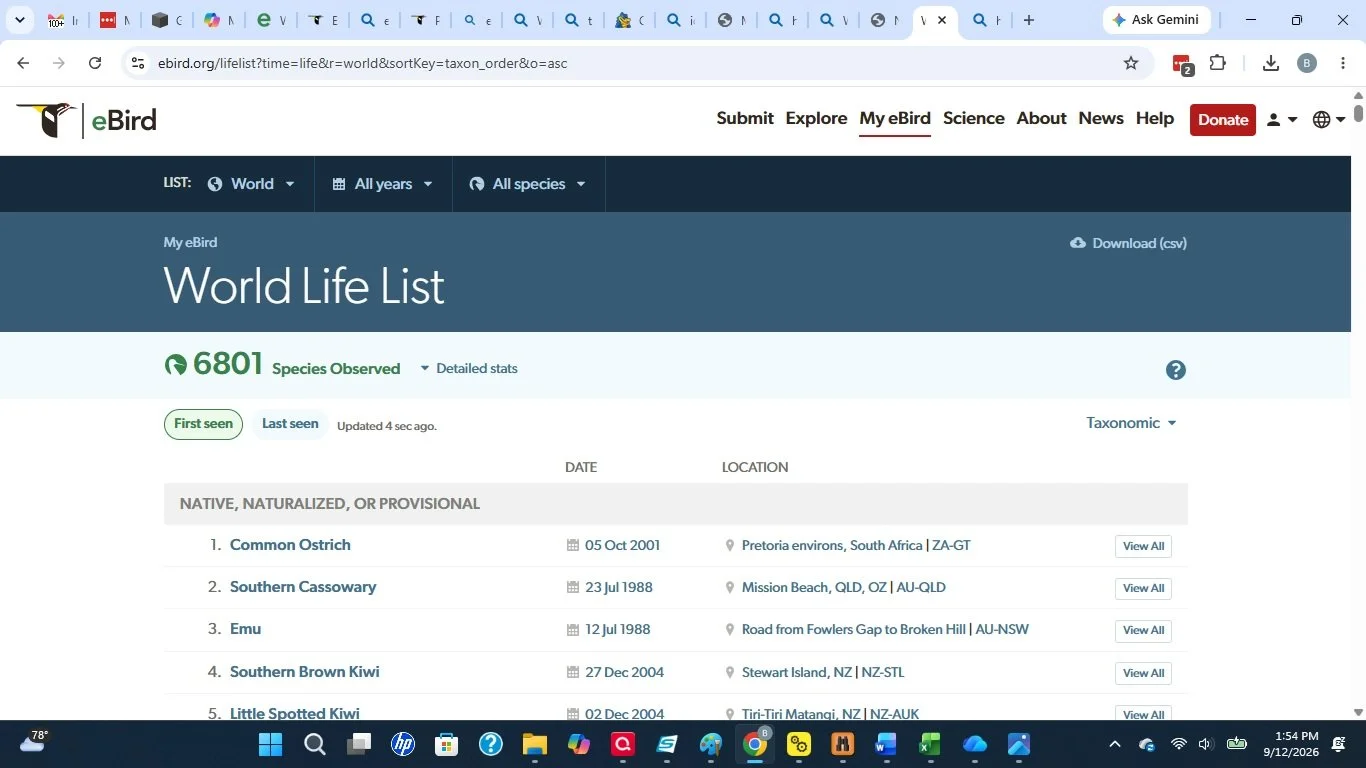
eBird is a website created in 2002 through a collaboration between the Cornell Lab of Ornithology and the National Audubon Society. It invites birders from all over the world to enter their sightings into a single, unified database. Today, eBird has become one of the largest wildlife observation databases ever created, with millions of checklists submitted each year.
The important point for my purposes is simple: eBird uses the Cornell Lab’s version of the Clements taxonomy. That means every species name, every family, every subspecies group, and every regional filter in eBird is grounded in the same taxonomy I have used for decades.
Because of this, eBird has become the natural home for my bird records. I can enter sightings from anywhere in the world, and eBird automatically organizes them according to Clements. It also provides maps, bar charts, personal lists, and a way to keep track of my progress toward seeing all the bird families of the world.
I am not a scientist when I use eBird. I am simply a birder on a spiritual journey, grateful for a tool that lets me keep track of the many faces of creation I have been fortunate enough to encounter. eBird makes that possible in a way that is simple, consistent, and aligned with the taxonomy I already follow.
Learn more: eBird
When I began my birding quest in February of 1984, the internet was just getting off the ground (January 1983), tools like Excel were only beginning to appear (1985), and personal computers were still in their infancy. Working in the technical community, I was an early adopter of all these tools, but in those early years most record‑keeping was still done by hand. Paper checklists came from Audubon chapters or were handed out at wildlife refuges, and I kept most of my records on paper, with a few early versions stored in Excel on my work and home computers.
Everything changed when good downloadable listing software became available. The program I adopted immediately in 1995 was Birder’s Diary (originally called Thayer’s Birder’s Diary). All my records are stored on my personal computer using this software, which is updated regularly and provides timely updates of the Clements taxonomy, along with many other listing options. After eBird became available in 2002, I uploaded all my data there as well. Today, I maintain both systems.
Learn more: Birder’s Diary
Birds of the World
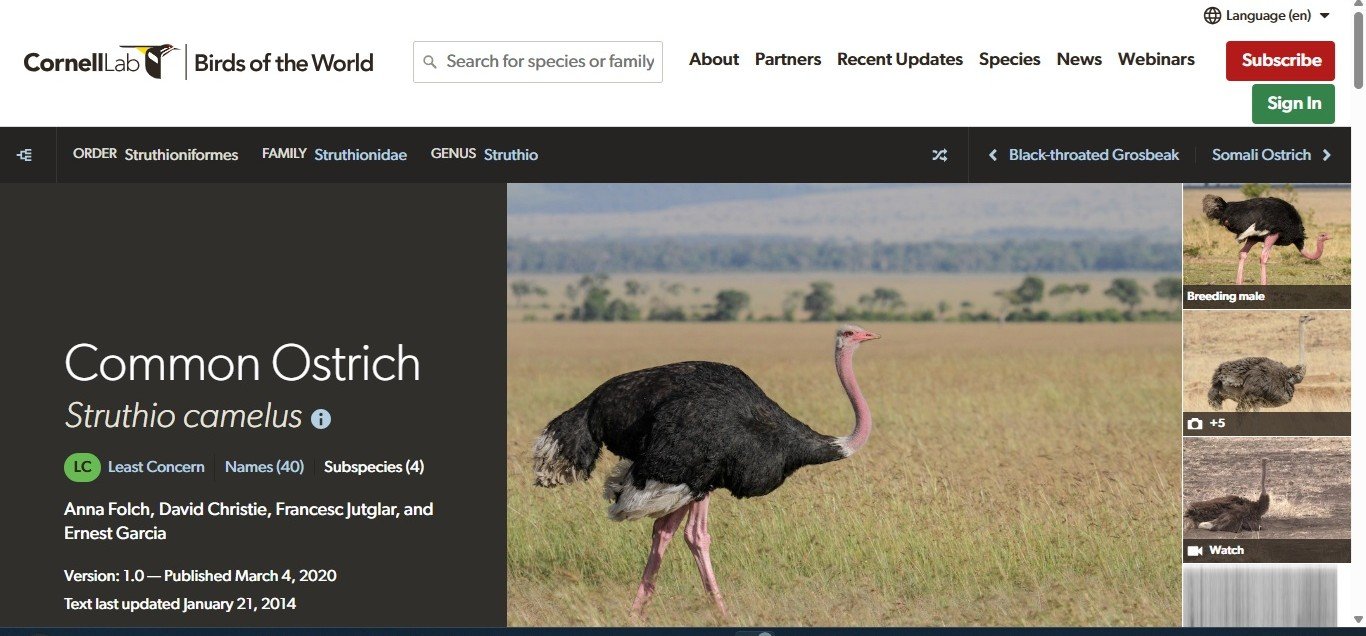
When the Handbook of the Birds of the World (HBW) was published in 1992, it was one of the most ambitious ornithological projects ever attempted — a multi‑volume encyclopedia that sought to describe every bird species on Earth. I immediately enrolled and purchase all 18 volumes as they were published in subsequent years. For decades, HBW stood as the definitive reference for bird families, species accounts, illustrations, and global distribution maps. I used those volumes often, especially when preparing for international trips, because they provided a depth of detail that no field guide could match.
In 2020, the HBW project transitioned into a new digital home: Birds of the World, created and maintained by the Cornell Lab of Ornithology. Birds of the World combines the historical HBW content with modern scientific updates, eBird data, multimedia, and current taxonomy. It is now the most comprehensive, continuously updated resource available for understanding the birds of the world.
For my purposes, Birds of the World serves as a kind of “encyclopedia companion” to the Clements taxonomy. Clements gives me the structure — the families, genera, and species — while Birds of the World gives me the stories behind those names: the behavior, the ecology, the evolutionary relationships, and the global context. When I want to understand why a species belongs in a particular family, or how a group of birds evolved, or what their conservation status is, Birds of the World is where I go.
It is not a listing tool like eBird, and it is not a taxonomy authority like IOC. It is a knowledge resource — a place where the science, the history, and the beauty of birds come together in one unified platform. For anyone who wants to go deeper into the world’s bird families, Birds of the World is indispensable.
Learn more: Birds of the World
Phylogeny: Understanding How Bird Families Evolved
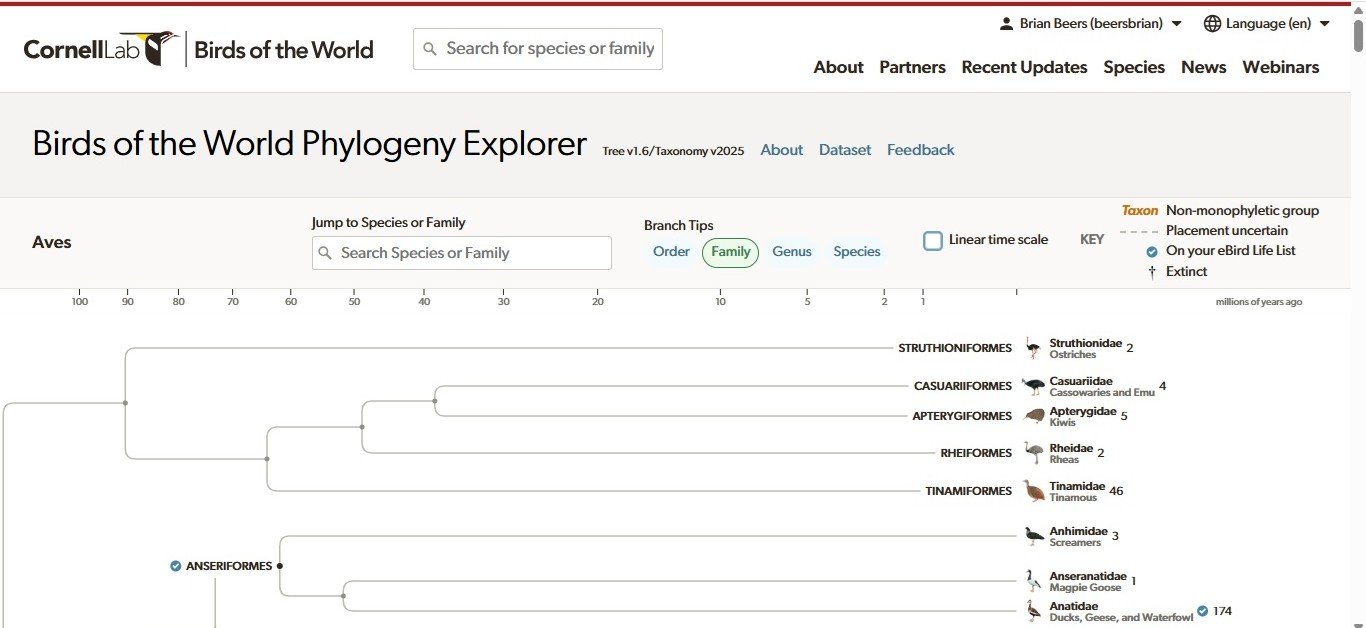
Before there were people, there were birds. Before there were birds, there were dinosaurs. Evolution is the vehicle by which the Spirit of the Universe brings things to be. The study of phylogeny is the study of when in time various types of birds — species, genera, families, orders, and the entire class Aves — came to be. The way that taxonomy is ordered reflects that evolutionary history. Why are ostriches first on the list and not hummingbirds, you might ask? The answer is that ostriches represent one of the earliest branches of the avian tree, while hummingbirds came much later.
Phylogeny is the scientific study of how living organisms are related through evolutionary history. Modern phylogeny is built on genetic analysis. For decades, ornithologists relied on morphology — plumage, bill shape, behavior, and ecological niche — to infer relationships. But beginning in the late 20th century, DNA sequencing transformed our understanding of bird evolution. Entire families were reorganized, unexpected relationships were revealed, and long‑held assumptions were overturned. The result is a far more accurate picture of how birds diversified across the planet.
I didn’t understand the details of this as a child, but I did pore over the images of dinosaurs in whatever encyclopedia we had at the time. Many images try to convey this evolution, but the complexity often gets in the way. Birds of the World has an entire section devoted to phylogeny, and the figure above shows only a tiny part of it.
This stuff doesn’t necessarily get involved in the day‑to‑day pastime of birdwatching. But it is ever in the back of my mind as I marvel at the wonderful complexity when I come face to face with a new bird.
Learn More: Birds of the World Phylogeny
Section 2 – Global Birding Tools
Global birding today is supported by a suite of digital tools that didn’t exist when I first began birdwatching. Some of these tools help identify birds, some help record sightings, and others help explore the science behind bird distribution and behavior. Together, they form the modern toolkit that allows birders to participate in a worldwide community of observers and researchers.
These tools don’t replace field experience, intuition, or the joy of discovery. But they do enhance the birding journey, especially when traveling internationally. Below are the tools I rely on most often, and how they fit into my global birding practice.
eBird
eBird is a website created in 2002 through a collaboration between the Cornell Lab of Ornithology and the National Audubon Society. It invites birders from all over the world to enter their sightings into a single, unified database. Today, eBird has become one of the largest wildlife observation databases ever created, with millions of checklists submitted each year.
See Section 1 for more details
Merlin Bird ID
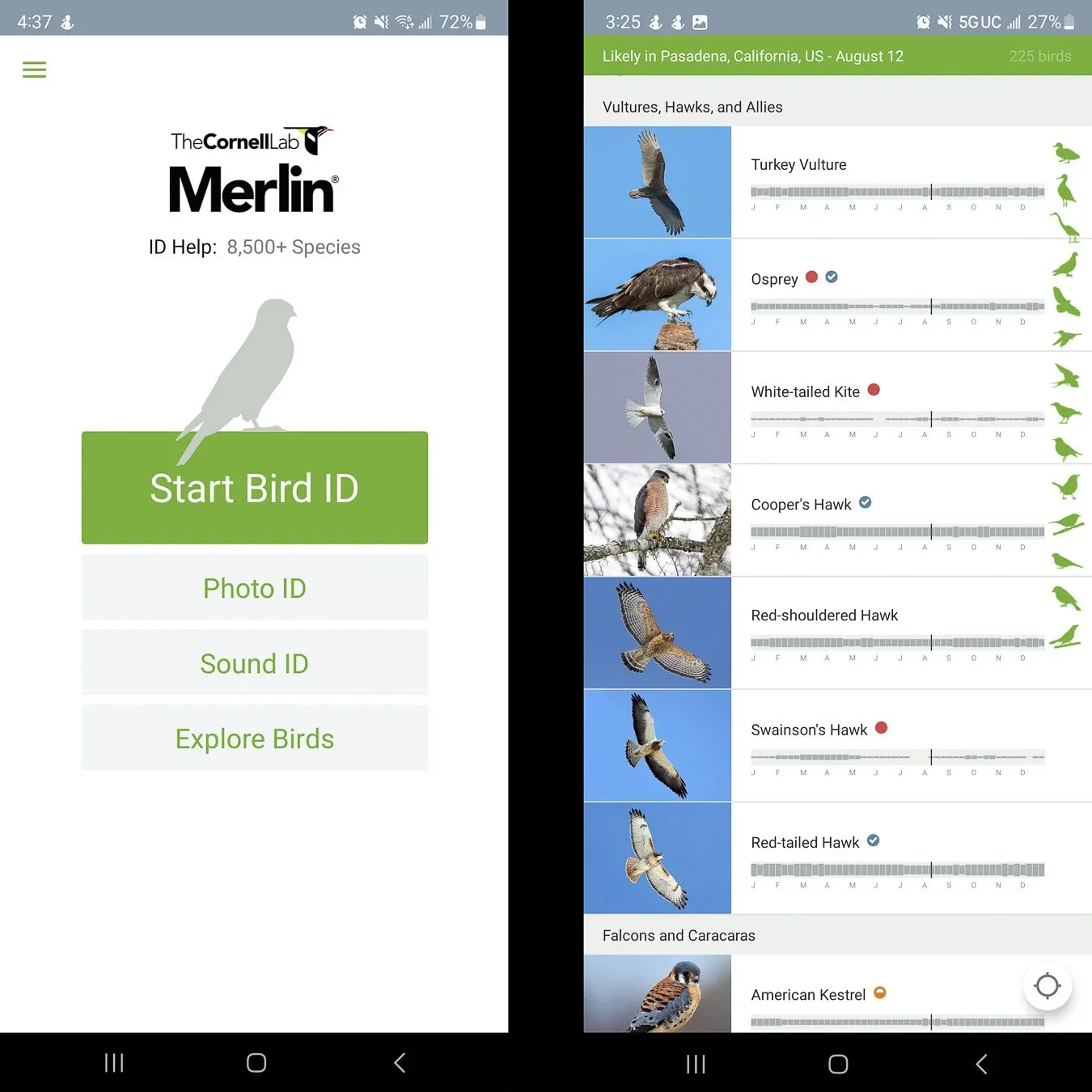
Merlin, created by the Cornell Lab of Ornithology, is one of the most powerful identification tools available to birders. It offers photo ID, sound ID, and region‑specific bird packs that help narrow down possibilities based on location and season. When I’m traveling, Merlin becomes a quick reference for unfamiliar species, especially when I’m birding independently without a guide.
Merlin’s sound ID has become particularly useful in dense forests or unfamiliar habitats. It’s not perfect, but it often points me in the right direction. And when I’m reviewing recordings later, Merlin helps confirm what I heard.
Learn more: Merlin
Xeno‑Canto
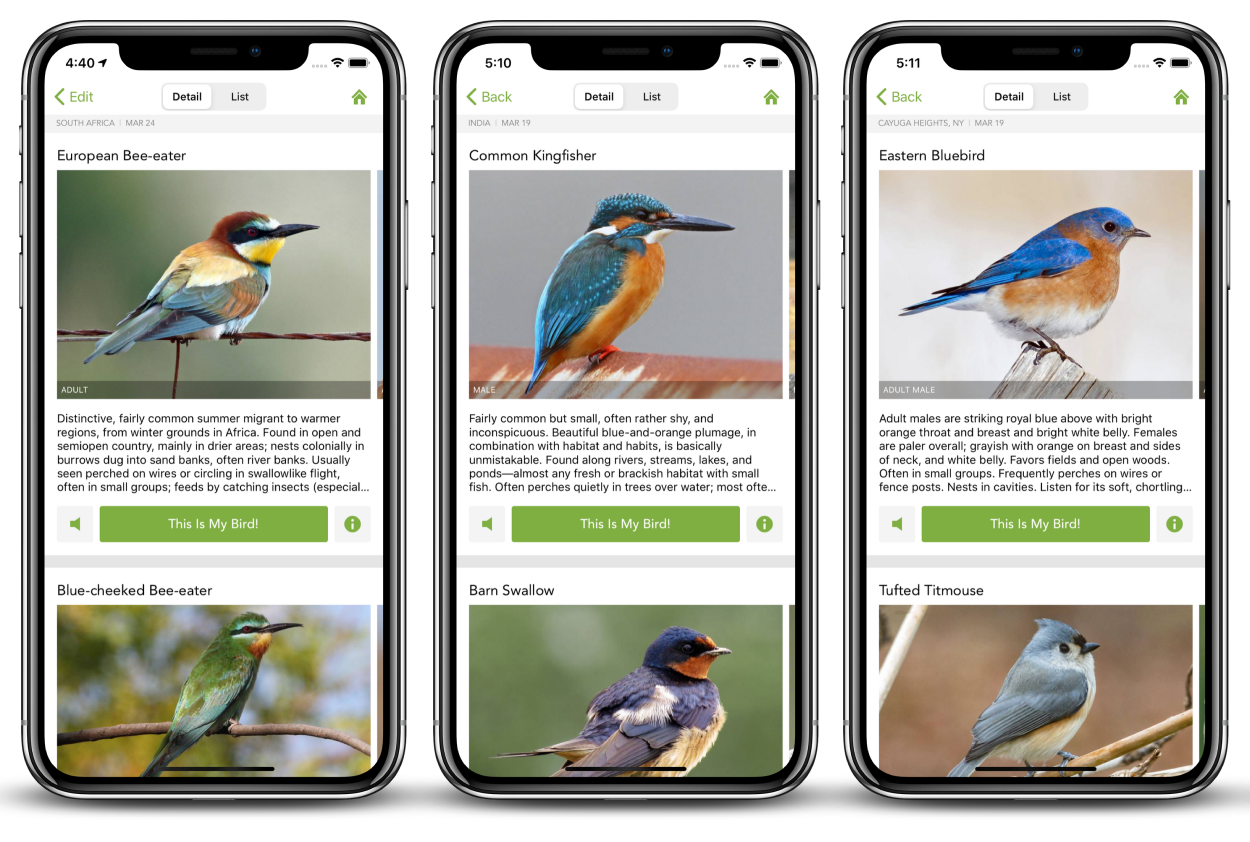
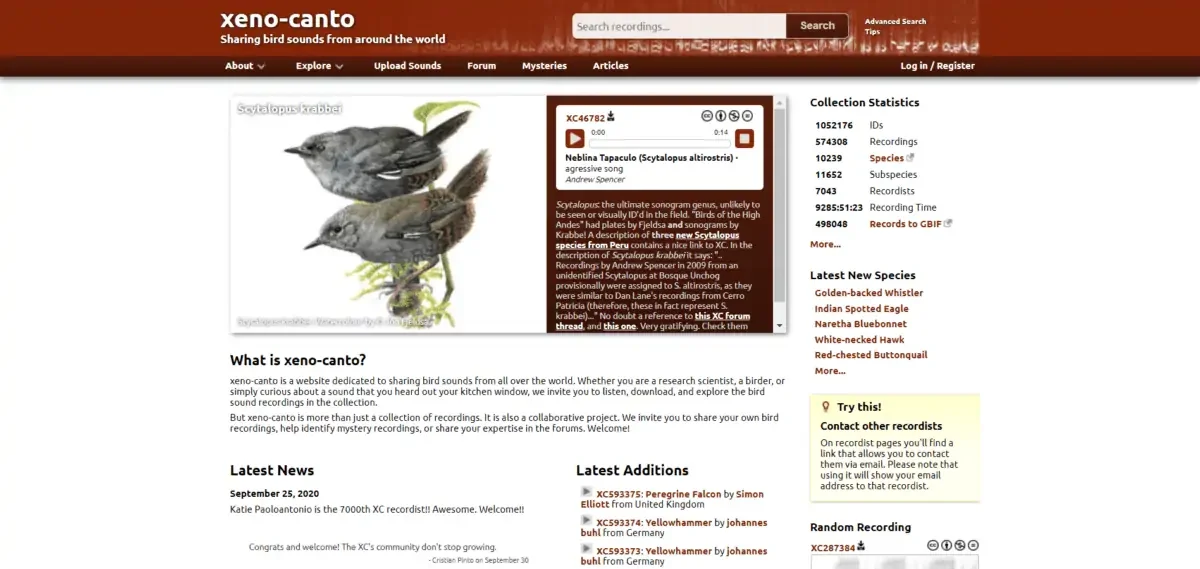
Xeno‑Canto is a global repository of bird vocalizations contributed by birders around the world. It’s especially valuable for preparing for trips, because listening to calls ahead of time makes it easier to recognize species in the field.
I often use Xeno‑Canto to compare calls from different regions. Some species sound different depending on where they live, and Xeno‑Canto captures that variation beautifully. It’s also a great tool for learning families whose identification relies heavily on sound, such as tapaculos, antbirds, and owls.
Learn more: Xeno‑Canto
Mapping Tools
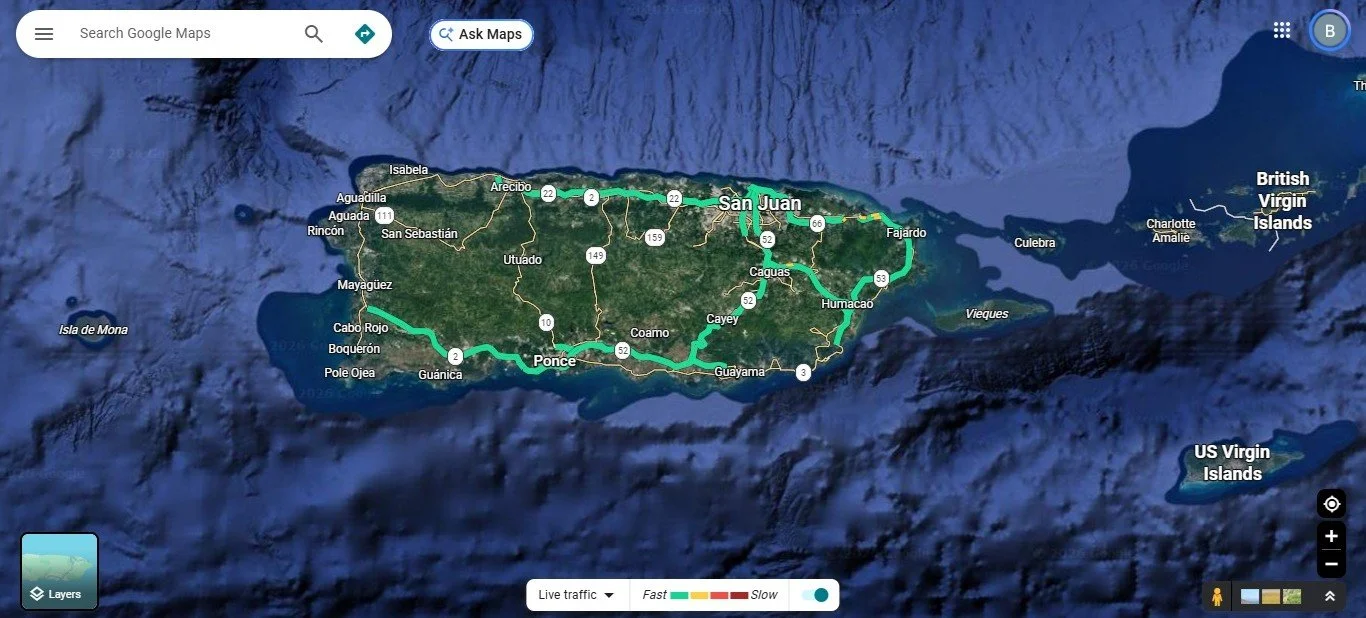
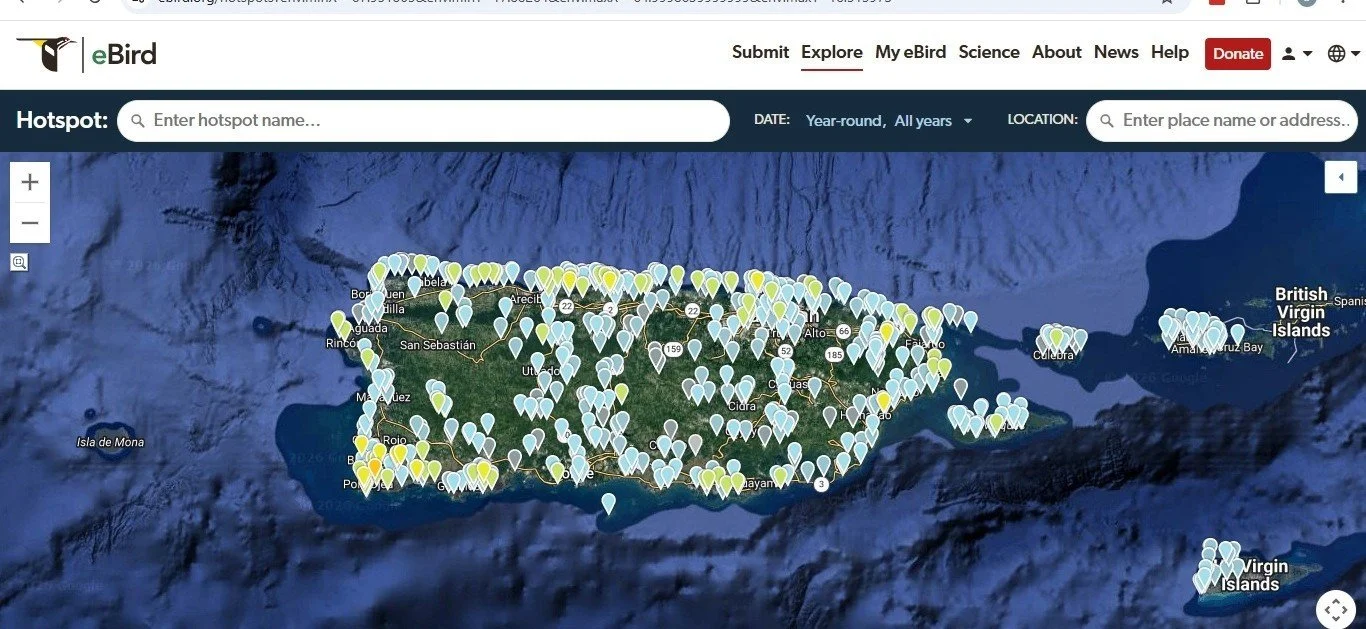
Mapping tools are essential for global birding. I use a combination of Google Maps, Google Earth, and eBird’s hotspot maps to plan routes, estimate travel times, and understand habitat boundaries.
When birding independently, mapping tools help me:
find access points
identify habitat transitions
locate wetlands, forest edges, and ridges
plan efficient routes through bird‑rich areas
They also help me understand why certain families appear where they do. Geography and habitat shape bird distribution, and mapping tools make those patterns visible.
Birding Apps & Listing Software
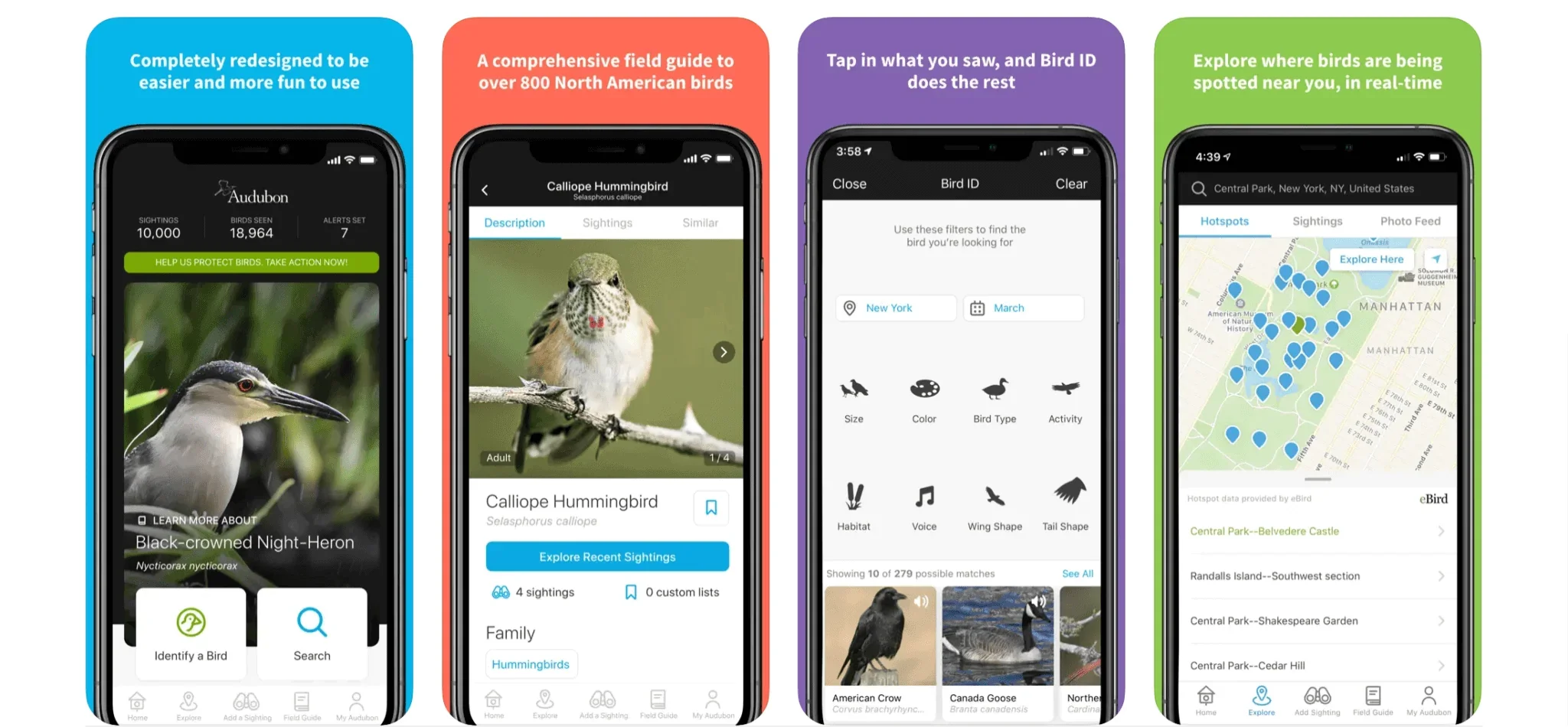
I personally use the freely available Smartphone App that eBird provides to enter my new sightings. It then automatically uploads to the eBird site.
Beyond eBird, there are several tools that help birders keep track of sightings, manage life lists, and organize trip records. Birder’s Diary is one of the most comprehensive listing programs available, especially for birders who want detailed control over taxonomy, families, subspecies, and trip records.
For global birding, listing software helps me:
maintain accurate life lists
track families and orders
organize sightings by region
compare trips
integrate taxonomy updates
These tools become especially important when traveling across multiple continents, where taxonomy differences can create confusion. A good listing program keeps everything consistent.
World Bird Lists & Reference Databases
Several organizations maintain global bird lists, each with its own taxonomy. The most widely used are:
Clements Checklist
IOC World Bird List
Birds of the World (integrated with Clements)
These lists form the backbone of global birding. They determine species names, family structure, and the order in which birds are presented. Understanding these lists — and how they differ — helps make sense of the bird world.